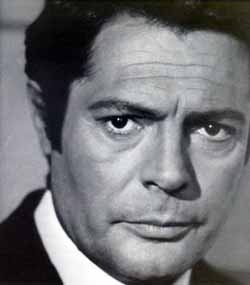
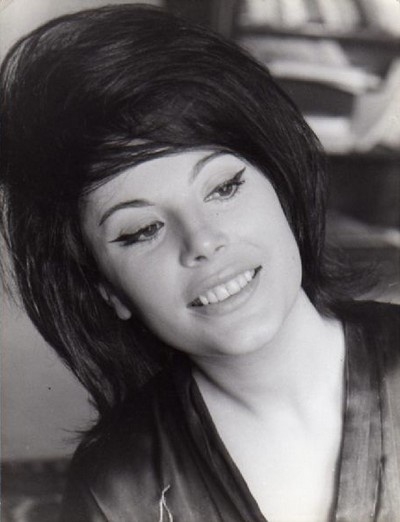
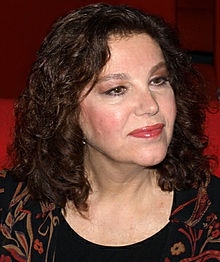
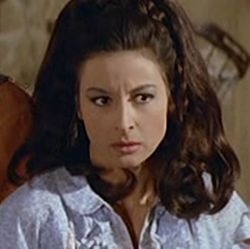
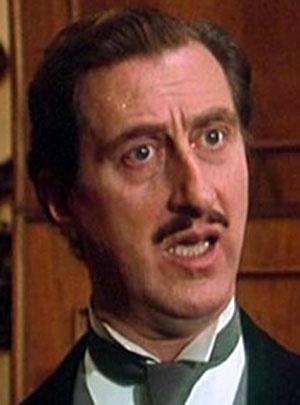
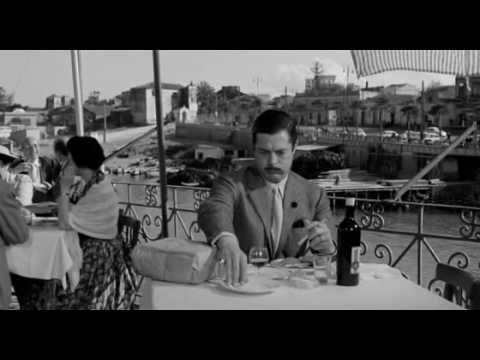
To fully appreciate the international box-office bonanza Divorce, Italian Style (Divorzio All'Italiana), one must remember that back in 1962, divorce was illegal in Italy. Ferdinando Cefalú(Marcello Mastroianni) would love to unload his demanding, sex-starved, monumentally unappealing wife, Rosalia (Daniela Rocca), but he can't take the legal means open to his American counterparts. Ferdinando can, however, kill off his wife and receive a light sentence...provided he catches the lady committing adultery. The trick now is to make his plate-of-potatoes spouse attractive enough so that some other man will accommodate Ferdinando by cuckolding him. Divorce, Italian Style not only cleaned up financially, but also won several international film awards, as well as an Oscar nomination for Marcello Mastroianni. — Hal Erickson
Viewed decades after its original release, Divorce Italian Style remains as fresh and funny and pointed as it did when it was released to acclaim and awards and brisk business in 1961-1962. Credit must go to director and co-writer Pietro Germi, whose previous films set in Sicily had largely been social realist dramas, and star Marcello Mastroianni, coming off his big breakthrough, La Dolce Vita (whose theatrical opening in the film's Sicilian village is one of Divorce's many great set pieces). One of the few foreign-language films to win an Academy Award for screenplay, Divorce contains writing that Billy Wilder and other masters of screen satire would have killed to be credited for. Mastroianni's character, Ferdinando, is the epitome of the Sicilian male in all his shameful glory, and Germi shows time and again how the male culture dominates the island, with shots of men gathered in cafes and along the streets of the town, discussing not politics or sports, but women. Like many great comedies, Divorce is grounded in serious social criticism, here of a society that outlaws divorce but tolerates murder when it is considered a "crime of passion" to avenge one's so-called honor. — Tom Wiener

 English
  Nederlands
  Deutsch
  Français
  Español
  Magyar
  српски
  Dansk
Dansk  Italiano
  Svenska
  Slovenčina
  Português