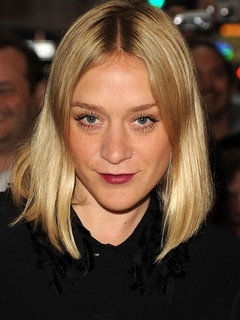
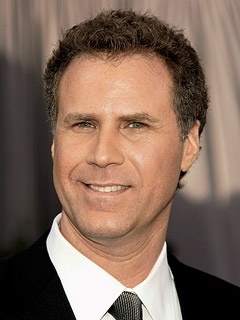
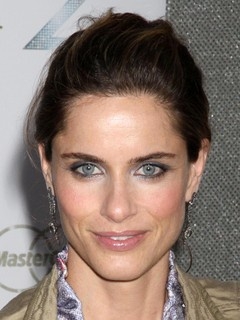
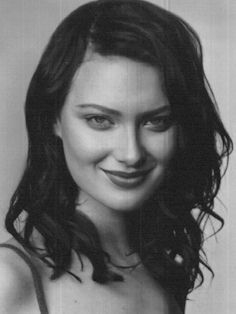
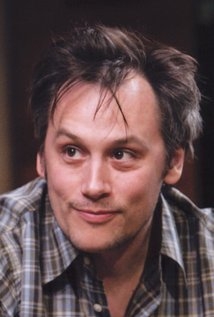
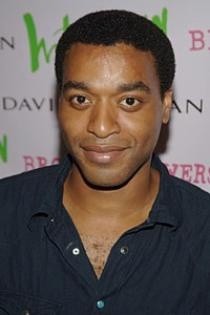
While Woody Allen has long fused comedy and drama in his films, he embraces the two styles in a new and unusual way in this feature. Sy (Wallace Shawn) is enjoying dinner with some friends when they begin debating the nature of the tragic and the humorous. Sy, observing that a very fine line separates the two, decides to demonstrate this notion by showing how the same essential story can be either funny or sad depending on the way certain elements are handled; for the rest of the film, we jump back and forth between two versions of the story of Melinda (Radha Mitchell), a young woman with some serious problems in her life. In the tragic version, Melinda crashes a dinner party thrown by old friends Laurel (Chloë Sevigny) and Lee (Jonny Lee Miller). When she arrives, Melinda is distraught and under the influence of pills and alcohol, much to the annoyance of Lee, an actor hoping to impress a producer who is one of his guests. After a bad breakup with her husband, Melinda lost custody of her children and came to New York City, where she became involved with Ellis Moonsong (Chiwetel Ejiofor), a handsome and well-mannered composer whose promises to her proved to be worthless. Meanwhile, on the funny side of town, Melinda shows up dazed and confused at the home of Susan (Amanda Peet) and Hobie (Will Ferrell), who are in the midst of a dinner party. Learning about the sad state of Melinda's love life after divorcing her husband and losing custody of her children, Susan decides to play Cupid and fix her friend up with a well-to-do dentist. However, neither Susan nor Melinda are aware that there is another man deeply interested in the troubled divorcée — Hobie. Melinda and Melinda also features Josh Brolin, Vinessa Shaw, and noted theatrical director Gene Saks. — Mark Deming, AMG
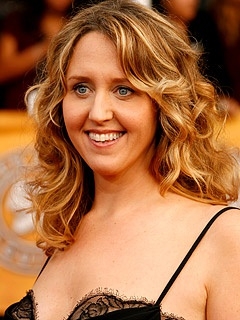
AMG Review: Composing two different stories, one a comedy and the other a tragedy, from the same basic story elements should provide any writer with copious opportunities to express the many ways art can comment on life. Sadly, the two stories in Woody Allen's Melinda and Melinda fail to generate any comedic or dramatic momentum. The comedy portion of the film suffers from just about every complaint leveled against Allen films from this period: his references are out of date, he is unable to create a comic voice other than his own for his male leads, and his lack of respect for comedy reveals itself through the lazy visuals. All the dialogue spoken by the characters in the tragedy sounds like subtitles, a problem that has hounded Allen's dramas since Interiors. Because of this flatness, none of the characters can win an audience's empathy or interest. Chiwetel Ejiofor somehow manages to break free and make his dialogue sound natural. He may not say anything or do anything memorable, but he registers as a real person. The scene in which he and Melinda first meet is the best scene in the film because it is the only one that plays like two regular people talking. Chloë Sevigny keeps trying and Brooke Smith (who gets the best laughs of the film) seems ideally cast, but both are eventually betrayed by the material. What makes Melinda and Melinda so depressing for longtime Woody Allen fans is that Allen has come up with a fantastic concept, but fails to come up with any worthy material to support the idea. — Perry Seibert


 English
  Nederlands
  Deutsch
  Français
  Español
  Magyar
  српски
  Dansk
Dansk  Italiano
  Svenska
  Slovenčina
  Português