

 English
  Nederlands
  Deutsch
  Français
  Español
  Magyar
  српски
  Dansk
Dansk  Italiano
  Svenska
  Slovenčina
  Português





Paramount (2005)


Romantic Comedy
USA | English | Color | 02:03


During an outrageous memorial for a Southern patriarch, an unexpected romance blooms between a young woman and man.
A young man in need of a fresh start gets one under highly unexpected circumstances in this emotionally resonant comedy drama from writer and director Cameron Crowe. Drew Baylor (Orlando Bloom) is considered the big success story in his family, having moved away from the small Kentucky town where he was born to California, where he works as a designer for Mercury, the nation's biggest athletic shoe company. But success has begun to elude Drew — his most recent design was a resounding flop that has cost him his job, and his girlfriend, Ellen (Jessica Biel), has given him his walking papers. Drew is contemplating suicide when he gets word that his father has died, and that he's needed back home in Elizabethtown, KY, to help organize the funeral. With his mother, Hollie (Susan Sarandon), deep in denial about her husband's passing, Drew comes home to discover no one knows about his recent poor fortune, and he's greeted like a conquering hero. As Drew reconnects with his family and helps his sister, Heather (Judy Greer), look after Hollie, Drew gets a new lease on life and is reminded about what's really important to him. Helping him learn these valuable lessons is Claire Colburn (Kirsten Dunst), a pretty and optimistic flight attendant Drew meets on his flight home who has her own philosophies about positive thinking and the curative powers of travel. Elizabethtown also stars Alec Baldwin, Paul Schneider, Bruce McGill, Loudon Wainwright III, and Paula Deen. — Mark Deming
Near the end of Elizabethtown, Claire Colburn (Kirsten Dunst) tells the lead character, Drew Baylor (Orlando Bloom), that he must go deep into the "beautiful melancholy" of everything that has happened to him. That pretty much sums up director Cameron Crowe's modus operandi for the movie. While Crowe would certainly describe the film as whimsical, the word Drew uses to describe the look on his father's face the first time he sees his dad's corpse, the truth is that the film is unfocused. Containing elements of a corporate satire, a romantic comedy, an affectionate look at an eccentric southern family, and a warm-hearted lesson about living through tough times, Elizabethtown fails to make any of these elements cohere. Orlando Bloom gives a one-note performance, but he is playing a one-note character who spends the whole film in a listless suicidal funk doing little more than waiting to cry. He offers nothing that compels an audience to pay attention to him, so the average viewer will begin focusing on the edges of the film. Crowe obliges by stuffing the film with ancillary characters. Alec Baldwin, Judy Greer, Susan Sarandon, and Bruce McGill all have a scene or two that showcases their talent, but they are also each given moments so misconceived that they produce little more than head-scratching disbelief in the audience. Playing a character simply too good to be true, Dunst embodies her perfect, unselfish woman with just enough pain below the surface to make her interesting, even though she remains entirely unbelievable. Without her, the film would be close to unbearable. What makes this mess of a movie all the more fascinating is that Crowe's relentless bittersweet melancholy seems entirely heartfelt. He is not talking down to his audience, tricking them into feeling big emotions. Crowe's honesty and earnestness make it difficult to hate the film because he plainly believes the moral of his own story. However, he became so focused on sharing his feelings in each moment that he never saw the big picture. As a result, Elizabethtown is a mess of a movie that only a talented writer could create. — Perry Seibert
|
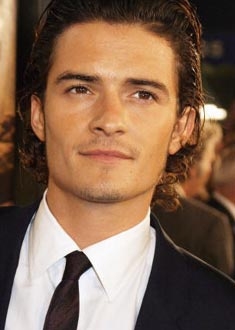
Orlando Bloom | Drew Baylor |

|
Kirsten Dunst | Claire Colburn |

|
Susan Sarandon | Hollie Baylor |

|
Alec Baldwin | Phil Devoss |

|
Bruce McGill | Bill Banyon |

|
Judy Greer | Heather Baylor |

|
Jessica Biel | Ellen Kishmore |
|
Paul Schneider | Jessie Baylor |
|
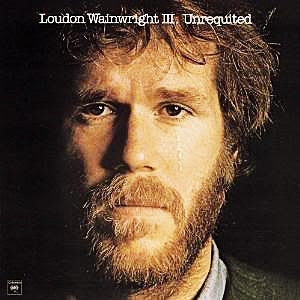
Loudon Wainwright III | Uncle Dale |
|
Gailard Sartain | Charles Dean |
|
Jed Rees | Chuck Hasboro |
|
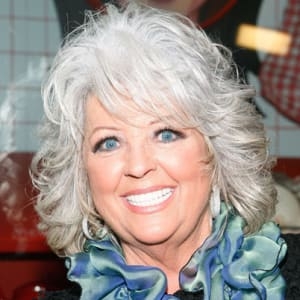
Paula Deen | Aunt Dora |
|
Dan Biggers | Uncle Roy |
|
Alice Marie Crowe | Aunt Lena |

|
Tim Devitt | Mitch Baylor |
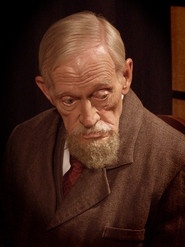
|
Ted Manson | Sad Joe |
|
|
Maxwell Moss Steen | Samson |
|
|
Reid Thompson Steen | Samson |
|
|
Shane Lyons | Starstruck Kid |

|
Emily Rutherfurd | Cindy Hasboro |
|
|
Michael Naughton | Another Cousin |
|
|
Griffin Grabow | Griffin |
|
|
Nina Jefferies | Staring Mona |
|
|
Emily Goldwyn | Star Basketball Player |
|
|
Kristin Lindquist | Connie |
| Director | Cameron Crowe |

|
| Writer | Cameron Crowe | |
| Producer | Cameron Crowe, Tom Cruise, Andy Fischer, Donald J. Lee Jr., Paula Wagner | |
| Musician | Nancy Wilson | |
| Photography | John Toll | |
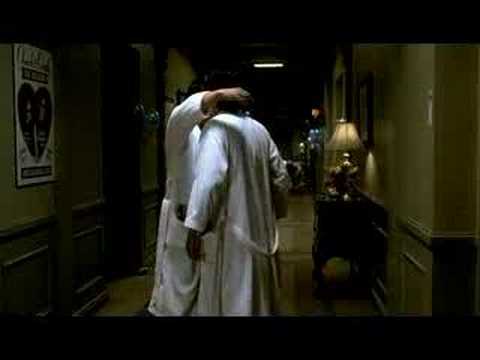
| Edition | Special Collector's Edition |
|---|---|
| Packaging | Keep Case |
| Nr Discs | 1 |
| Screen Ratios | Anamorphic Widescreen (1.85:1) |
| Audio Tracks | ENGLISH: Dolby Digital 5.1 |
| Subtitles | Danish | Dutch | English | English (Closed Captioned) | Finnish | Norwegian | Spanish | Swedish |
| Distributor | Paramount |
| Layers | Single side, Single layer |
| Edition Release Date | Feb 07, 2006 |
| Regions | 1 |