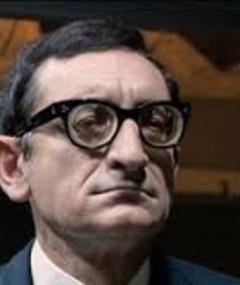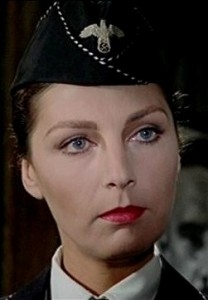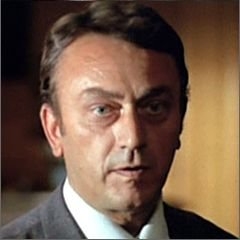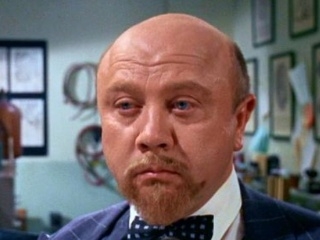


L'Uccello dalle piume di cristallo
A writer is stalked by a serial killer after witnessing a murder attempt on one woman's life.
AMG Plot: This trend-setting thriller put its director, Dario Argento, on the international map and began a flood of imitative mystery-horror hybrids which dominated Italian genre output in the early 1970s. Tony Musante, best known for the television series Toma, portrays an American who witnesses the murder of a woman at a trendy Rome art gallery. Before long, Musante finds himself targeted by a mysterious killer. Based on a story by Byron Edgar Wallace, Bird and hints at the flamboyance which would become Argento's trademark. This and Argento's subsequent two films Il Gatto a Nove Code and Quattro Mosche di Velluto Grigio were much less horror-oriented than his later work. — Robert Firsching
AMG Review: The Bird With the Crystal Plumage, Dario Argento's directorial debut, is the rare serial killer picture that leaves much to the imagination by staging its murders with a minimum of gore and a reliance on strategic camera work. These scenes often have a claustrophobic feel to them, as they focus on hands, knives, and body parts, and use sound and editing to fill in the rest. Cinematographer Vittorio Storaro displays his usual command of the visuals, whether he is showing off by having the camera give a point-of-view shot as a man falls to his death or is taking a more subtle approach when cloaking the protagonist in darkness as he is pursued through the streets by a yellow-jacketed assassin. Among the better scenes are: the opening sequence of Sam watching as Monica is attacked in a gallery while he is trapped behind a glass door and unable to help her; the scene where Julia is trapped in her apartment while the killer tries to carve through the door with a knife; and the surprising conclusion. All of these scenes contain the feeling of helplessness in the face of horror, a sense of being unable to prevent violence from happening to others or to oneself. The Bird With the Crystal Plumage looks very much like a product of its time — the cosmopolitan atmosphere, the ultra-stylish approach to an old genre, and the sense that it is trying to shock its audience with a use of sex and violence (and, at times, a combination of the two) that was probably pushing the envelope in 1969, but which has considerably tamed over time. — Bob Mastrangelo
|
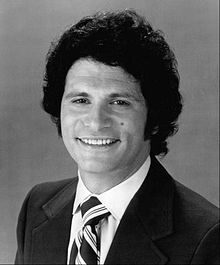
Tony Musante | Sam Dalmas |
|
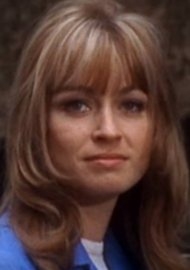
Suzy Kendall | Julia |
|
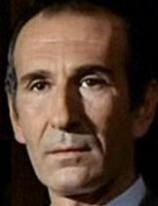
Enrico Maria Salerno | Inspector Morosini |
|
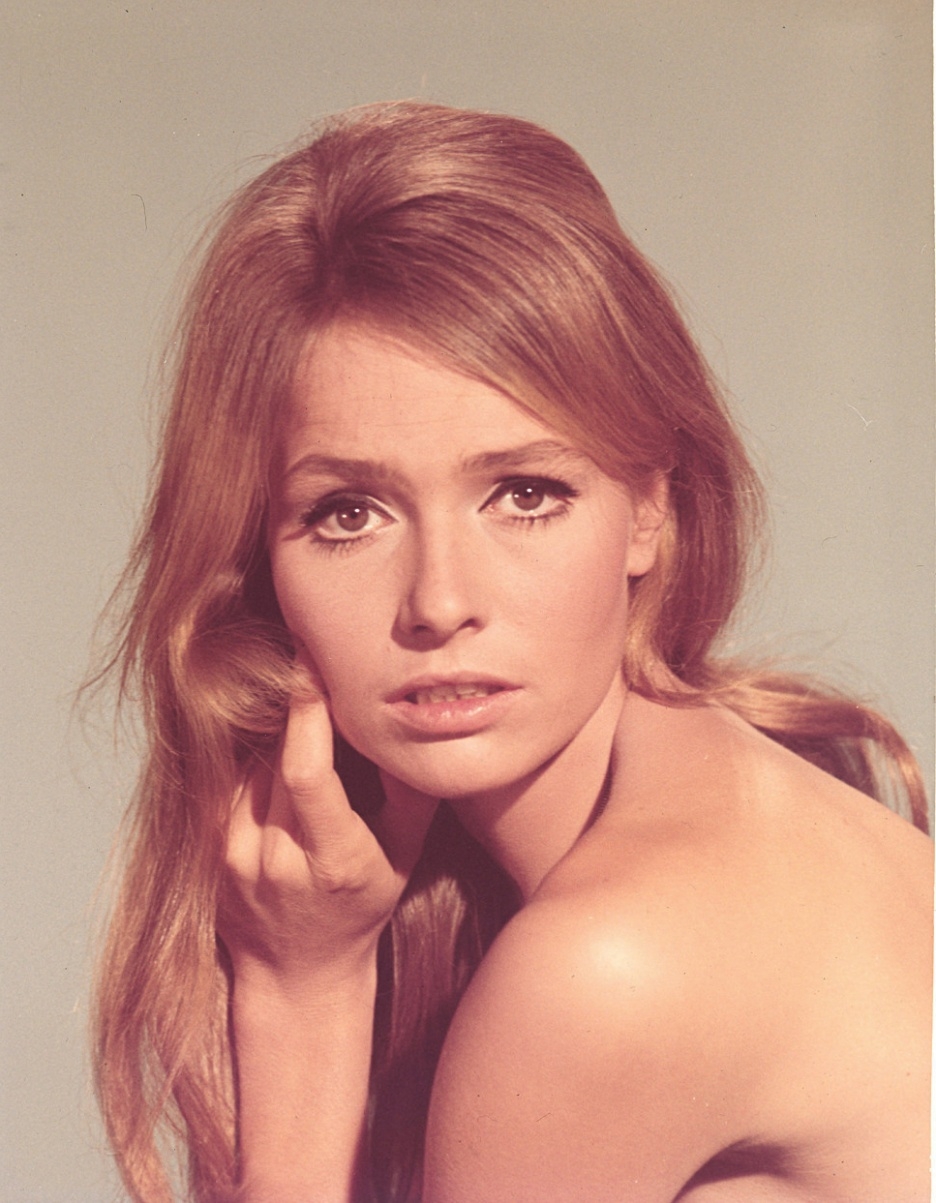
Eva Renzi | Monica Ranieri |
|
Umberto Raho | Alberto Ranieri |
|
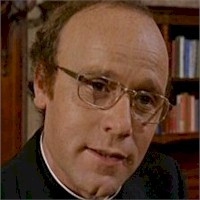
Renato Romano | Professor Carlo Dover |
|
Giuseppe Castellano | Monti |
|
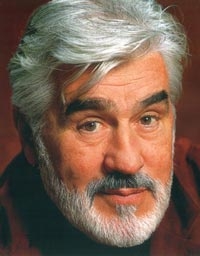
Mario Adorf | Berto Consalvi |
|
Pino Patti | Faiena |
|
Gildo Di Marco | Garullo |
|
Rosita Torosh | 4th Victim |
|
Omar Bonaro | Police Detective |
|
Fulvio Mingozzi | Police Detective |
|
Werner Peters | Antique Dealer |
|
Karen Valenti | Tina / 5th Victim |
|
Carla Mancini | Girl watching TV |
|
Bruno Erba | Police Detective |
|
Dario Argento | Murderer's Hands |
|
Luciano Arrigoni | Pervert #1 |
|
Luigi Baldoni | Man watching Television on the Street |
|
Aldo Barozzi | Passerby who Calls the Police |
|
Adriana Bruno | Passerby at Monica Ranieri homicide attempt |
|
Angelo Casadei | Ex Boxer's Convention Attendee |
|
Nestore Cavaricci | Fruit Vendor |
|
Giovanni Di Benedetto | Professor Rinaldi |
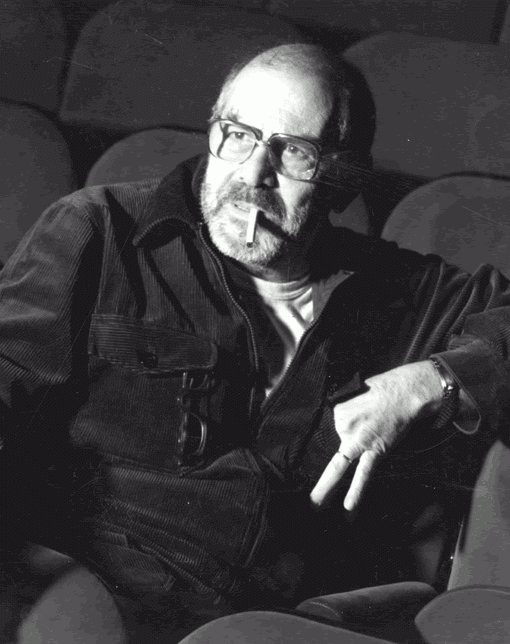
| Director | Dario Argento |
|
| Writer | Dario Argento, Fredric Brown | |
| Producer | Salvatore Argento, Artur Brauner | |
| Musician | Ennio Morricone | |
| Photography | Vittorio Storaro | |
| Edition | Special Edition |
|---|---|
| Packaging | Keep Case |
| Nr Discs | 1 |
| Screen Ratios | Anamorphic Widescreen (2.35:1) |
| Audio Tracks | ITALIAN: DD-EX 5.1 |
| Subtitles | English |
| Distributor | Blue Underground |
| Layers | Single side, Single layer |
| Edition Release Date | Oct 25, 2005 |
| Regions | 1 |