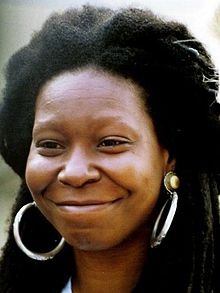
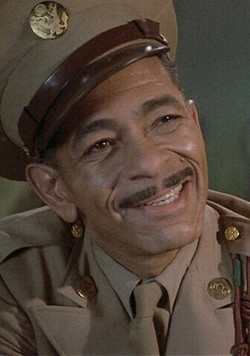
Based on the Pulitzer Prize-winning novel by Alice Walker, The Color Purple spans the years 1909 to 1949, relating the life of Celie (Whoopi Goldberg), a Southern black woman virtually sold into a life of servitude to her brutal husband, sharecropper Albert (Danny Glover). Celie pours out her innermost thoughts in letter form to her sister Nettie (Akousa Busia), but Albert has been hiding the letters Nettie writes back, allowing Celie to assume that Nettie is dead. Finally, Celie finds a champion in the don't-take-no-guff Sofia (Oprah Winfrey), the wife of Glover's son from a previous marriage. Alas, Sofia is "humbled" when she is beaten into submission by angry whites. Later, Celie is able to forge a strong friendship with Albert's mistress Shug (Margaret Avery). Emboldened by this, Celie begins rifling through her husband's belongings and finds Nettie's letters. Able at last to stand up to her husband, Celie leaves him to search for a new life on her own. A major box-office hit, The Color Purple was nominated for eleven Oscars. The film was co-produced by Quincy Jones, who also wrote the score.
AMG Review: Steven Spielberg's first cinematic attempt to delve deeper than escapism produced a rich, heartfelt epic that matched the Pulitzer Prize-winning credentials of Alice Walker's novel, receiving 11 Oscar nominations but famously winning none of them. The Color Purple is a triumph of all elements of production design, nominated for its screenplay, cinematography, makeup, costumes, art direction, score, and three of its actresses -- though not for director Spielberg. The snub may have helped push him as an artist toward such prestigious works as Schindler's List. One would hardly guess Whoopi Goldberg's roots were in comedy, given the layered dramatic performance she offers in her first real screen role. Oprah Winfrey (also debuting) and Margaret Avery are the other two-thirds of the heart-breaking dynamic between three black women in Spielberg's brutal world of racial and sexual prejudice. Even Danny Glover's role shows late-blooming sympathy, however agonizingly wrought, which demonstrates the dimension of Menno Meyjes' script. There's nothing simple about this early 20th century South, populated by characters paralyzed by the roles ascribed to them, and wickedly punished when they try to venture beyond their bounds. It boils the blood at the same time that it touches the soul, making for genuinely tear-soaked cinema with a visceral emotional payoff.


 English
  Nederlands
  Deutsch
  Français
  Español
  Magyar
  српски
  Dansk
Dansk  Italiano
  Svenska
  Slovenčina
  Português