

Rashômon
"The definitive cinematic treatment of point of view." -Premiere
Brimming with action while incisively examining the nature of truth, Rashomon is perhaps the finest film ever to challenge perceptions of reality and justice. Through an ingenious use of camera and flashbacks, Kurosawa reveals the complexities of human nature as four people recount different versions of the story of a man's murder and the rape of his wife. Toshiro Mifune gives another commanding performance in the eloquent masterwork that revolutionized film language and introduced Japanese cinema to the world.
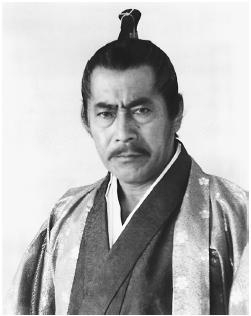
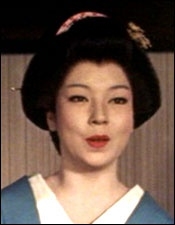
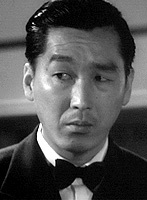
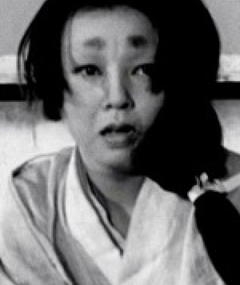
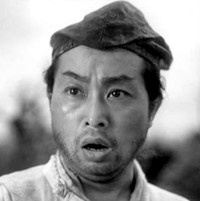
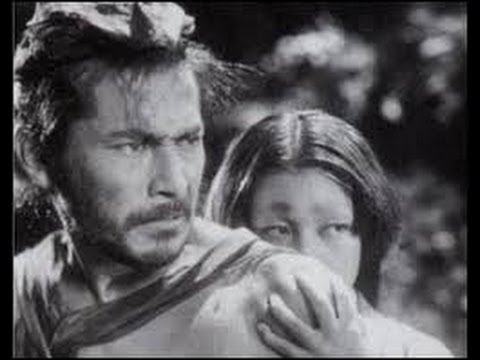
This landmark film is a brilliant exploration of truth and human weakness. It opens with a priest, a woodcutter, and a peasant taking refuge from a downpour beneath a ruined gate in 12th-century Japan. The priest and the woodcutter, each looking stricken, discuss the trial of a notorious bandit for rape and murder. As the retelling of the trial unfolds, the participants in the crime — the bandit ( Toshiro Mifune ), the rape victim ( Machiko Kyo ), and the murdered man ( Masayuki Mori ) — tell their plausible though completely incompatible versions of the story. In the bandit's version, he and the man wage a spirited duel after the rape, resulting in the man's death. In the woman's testimony, she is spurned by her husband after being raped. Hysterical with grief, she kills him. In the man's version, speaking through the lips of a medium, the bandit beseeches the woman after the rape to go away with him. She insists that the bandit kill her husband first, which angers the bandit. He spurns her and leaves. The man kills himself. Seized with guilt, the woodcutter admits to the shocked priest and the commoner that he too witnessed the crime. His version is equally feasible, although his veracity is questioned when it is revealed that he stole a dagger from the crime scene. Just as all seems bleak and hopeless, a baby appears behind the gate. The commoner seizes the moment and steals the child's clothes, while the woodcutter redeems himself and humanity in the eyes of the troubled priest, by adopting the infant. — Jonathan Crow
|
Toshirô Mifune | Tajômaru |
|
Machiko Kyô | Masako Kanazawa |
|
Masayuki Mori | Takehiro Kanazawa |
|
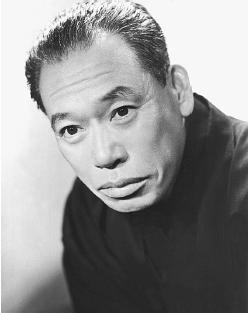
Takashi Shimura | Woodcutter |
|
Minoru Chiaki | Priest |
|
Kichijiro Ueda | Commoner |
|
Noriko Honma | Medium |
|
Daisuke Katô | Policeman |
| Director | Akira Kurosawa |
|
| Writer | Ryunosuke Akutagawa, Akira Kurosawa, Shinobu Hashimoto | |
| Producer | Minoru Jingo, Masaichi Nagata | |
| Musician | Fumio Hayasaka | |
| Photography | Kazuo Miyagawa | |
| Edition | Criterion |
|---|---|
| Packaging | Keep Case |
| Nr Discs | 1 |
| Screen Ratios | Fullscreen (4:3, Letterboxed) |
| Audio Tracks | SUB [English] Mono [Japanese] |
| Subtitles | English |
| Layers | Single side, Dual layer |
| Edition Release Date | Nov 06, 2012 |
| Regions | A |