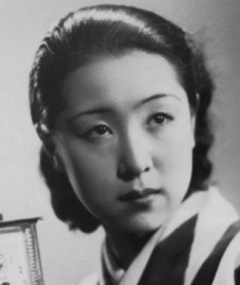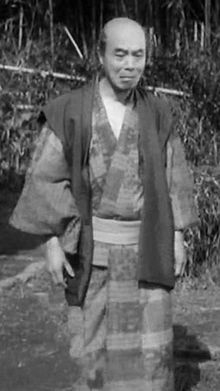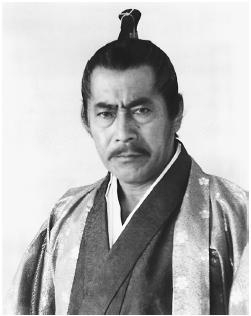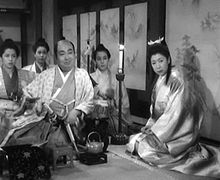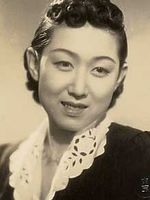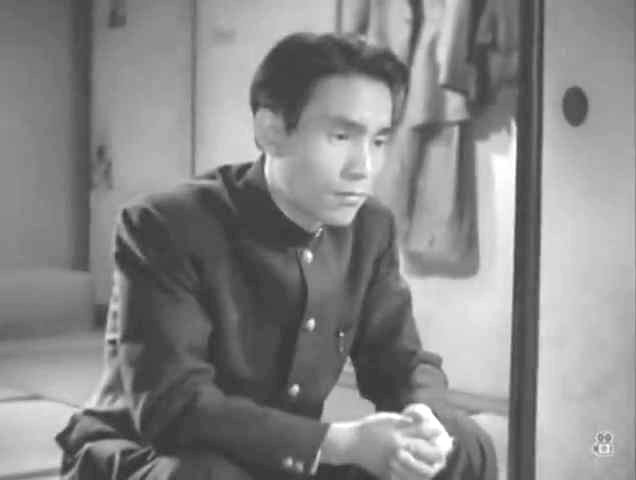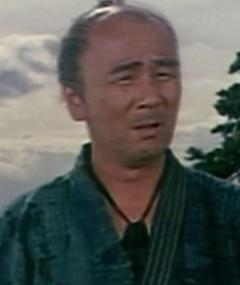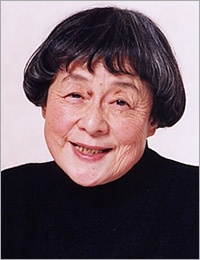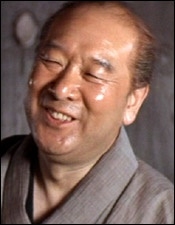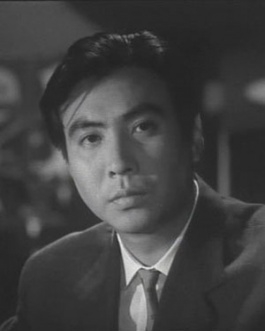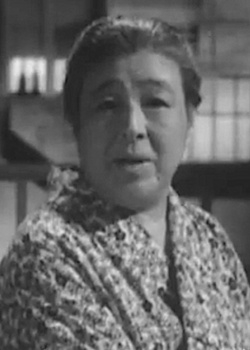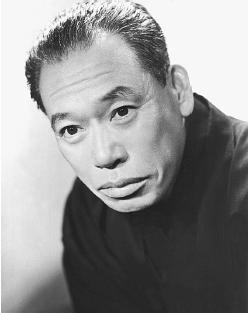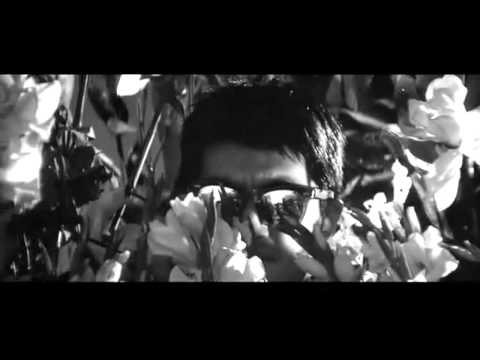


Life of Oharu features Kinuyo Tanaka in the title role. Oharu is a middle-aged prostitute in 17th century Japan. As she prays before a statue of Buddha, Oharu reviews her past. Her road to degradation began when, as a teenager, she disgraced her family by falling in love with a samurai Toshiro Mifune. Oharu became the mistress of a prince, who cast her off after she bore his son. She was then sold into prostitution by her father, and thus began a catch-as-catch-can existence alternating between brief happiness with those she genuinely loved and servitude to those she despised. A potential happy ending, reuniting her with her royal son, is dashed by the much-maligned Oharu herself, who opts for the life of a beggar. Directed by Kenji Mizoguchi, a lifelong advocate of equitable treatment for Japanese women, Life of Oharu was adapted from a novel by Saikaku Ibara.
All Movie Guide - Jonathan Crow
Though maybe not director Kenji Mizoguchi's most perfect film (Ugetsu and Sansho the Bailiff usually garner this title), Life of Oharu is arguably his most important work. When it won the 1952 Golden Lion at the Venice Film Festival one year after Akira Kurosawa's Rashomon did the same, Oharu not only solidified the reputation of Japanese cinema but also ended Mizoguchi's decade-long artistic tailspin and freed him from studio constraints, allowing him to create his later masterpieces. Yet the film was almost not completed thanks to cost overruns and Mizoguchi's fanatical perfectionism. Based on a 17th century farcical classic by libertine playwright Sakiku Ibara, both the play and the film details the fall of a woman from imperial courtesan to untouchable. Yet while Sakiku uses Oharu's decline as a means to satirize Japan's rigid feudal culture, Mizoguchi strips away all parodic elements and views her tortured life as noble and sacred. As in his other works, Mizoguchi presents a woman's suffering vividly and sympathetically, framing it in long takes and fluid camera movements in a coolly contemplative style. The result is a film that seems aloof yet packs a remarkably strong emotional punch. Quiet and profound, Life of Oharu is a masterful work by a filmmaker reaching the pinnacle of his creative powers.
|
Kinuyo Tanaka | Oharu |
|
Tsukie Matsuura | Tomo / Oharu's Mother |
|
Ichirô Sugai | Shinzaemon / Oharu's Father |
|
Toshirô Mifune | Katsunosuke |
|
Toshiaki Konoe | Lord Harutaka Matsudaira |
|
Kiyoko Tsuji | Landlady |
|
Hisako Yamane | Lady Matsudaira |
|
Jukichi Uno | Yakichi Ogiya |
|
Eitaro Shindo | Kahe Sasaya |
|
Akira Oizumi | Fumikichi / Sasaya's Friend |
|
Kyoko Kusajima | Sodegaki |
|
Masao Shimizu | Kikuoji |
|
Daisuke Katô | Tasaburo Hishiya |
|
Toranosuke Ogawa | Yoshioka |
|
Haruyo Ichikawa | Lady-in-waiting Iwabashi |
|
Hiroshi Mizuno | Servant Shinozaki Kumon |
|
Yuriko Hamada | Otsubone Yoshioka |
|
Noriko Sengoku | Lady-in-waiting Sakurai |
|
Sadako Sawamura | Owasa |
|
Masao Mishima | Taisaburo Hishiya |
|
Eijirô Yanagi | Forger |
|
Chieko Higashiyama | Myokai / the Old Nun |
|
Takashi Shimura | Old Man |
|
Benkei Shiganoya | Jihei |
| Director | Kenji Mizoguchi |
|
| Writer | Saikaku Ihara, Kenji Mizoguchi, Yoshikata Yoda | |
| Producer | Eisei Koe, Kenji Mizoguchi, Isamu Yoshii | |
| Musician | Ichirô Saitô | |
| Photography | Yoshimi Hirano | |
| Edition | Criterion |
|---|---|
| Packaging | Keep Case |
| Nr Discs | 1 |
| Screen Ratios | Fullscreen (4:3, Letterboxed) |
| Subtitles | English |
| Distributor | Criterion |
| Edition Release Date | Jul 09, 2013 |
| Regions | Region A |