

 English
  Nederlands
  Deutsch
  Français
  Español
  Magyar
  српски
  Dansk
Dansk  Italiano
  Svenska
  Slovenčina
  Português





1955


Drama | Foreign | Romance
France | English | Color | 01:50


The film tells the tragical story of the life of Lola Montes who was a great adventurer and stopped being the attraction of her circus after having been the lover of various important men.
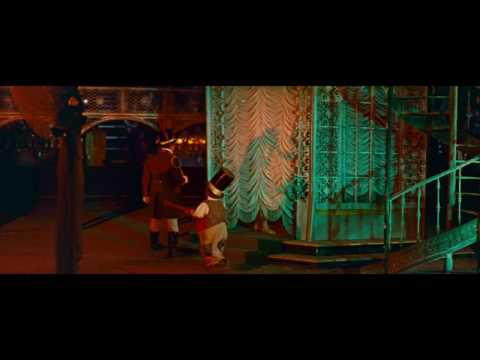
Max Ophuls' final film (and his only movie in color) is a cinematic tour-de-force masquerading as a biography, in this case a dazzling fictionalized life of the notorious 19th century dancer, actress, and courtesan. A still beautiful, but weary and disillusioned (and, as we later discover, ailing) Lola Montes (Martine Carol) is first seen as the featured attraction at a seedy American circus, appearing at the center of a series of various tableaux depicting the scandalous events for which she is known. With a strangely sincere yet sinister and manipulative ringmaster (Peter Ustinov) providing color commentary, some of it very ironic on two or more levels, the movie flows between these staged recreations in the circus and the events as recalled by the subject. In a series of dissolves, the film takes us through her girlhood with her mother, interrupted when her mother's lover (Ivan Desni) becomes attached to the daughter; her unhappy marriage and its aftermath; romances with composer Franz Liszt (Will Quadflieg), abduction by a Russian general (in the arms of Cossacks, no less); her affairs across the landscape of Europe with men great and notable; her thwarted aspirations as a dancer; and her romance with King Ludwig I (Anton Walbrook) of Bavaria, which led to her being made Countess of Landsfeld, and, later, to his abdication. The gracefulness of Ophuls' cyclical narrative, and the transitions between the recalled elegance of the locales, and the people with whom her romances and affairs took place, and the seediness of the circus -- where she is also compelled, in the course of performing, to perform as an aerialist -- were lost on viewers in 1955. And for many years the movie only existed in a version re-cut without the director's approval, in which the story was presented in linear fashion. It was only in the 1960's, long after Ophuls' death, that efforts were made to restore the original structure, and in 2008 the movie's original Technicolor luster was restored to its full depth and richness.
All Movie Guide - Richard Gilliam
Lola Montès is acclaimed for showcasing the grand visual style of Max Ophuls, whose looming crane shots and 360-degree pans continue to impress critics, just as they did throughout his career. Though considerable liberty is taken with the life of the historic Lola Montès, the film remains an opulent chronicle of the loves and affairs of its title subject. For some critics (notably Andrew Sarris), this is one of the greatest films ever made. Others may feel that Ophuls' camera style is garish and tiresome or that the narrative lacks energy; and even some critics who praise the film as a masterpiece cite the central performance of Martine Carol as weak. Nearly all critics appreciate the film's technical brilliance and production design.

|
Martine Carol | Lola Montes |
|
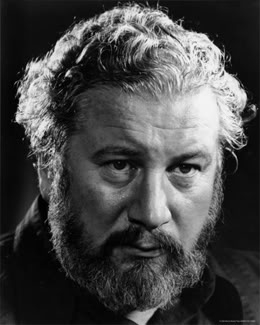
Peter Ustinov | Circus Master |
|
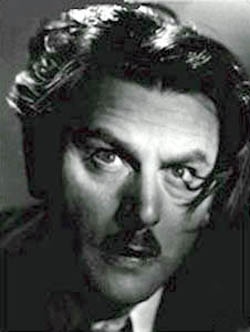
Anton Walbrook | Ludwig I / King of Bavaria |
|
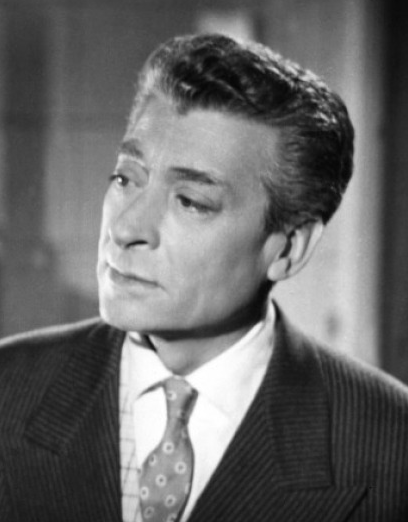
Henri Guisol | Horseman Maurice |
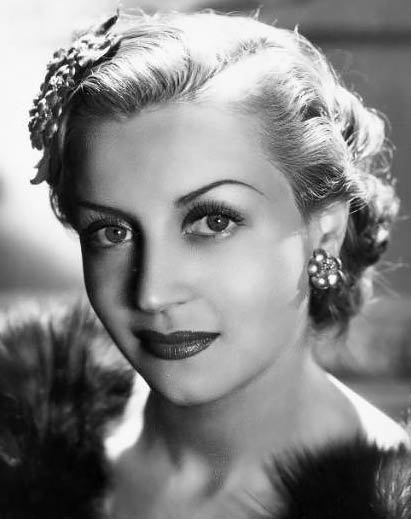
|
Lise Delamare | Mrs. Craigie / Lola's mother |
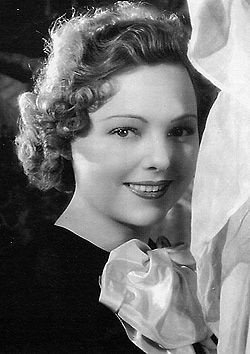
|
Paulette Dubost | Josephine / The maid |
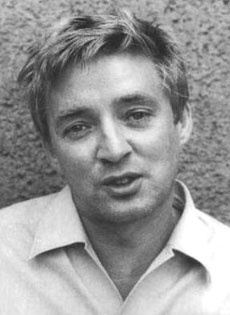
|
Oskar Werner | Student |
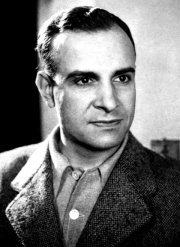
|
Jean Galland | Private Secretary |
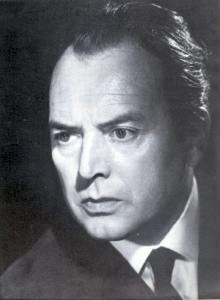
|
Will Quadflieg | Franz Liszt |
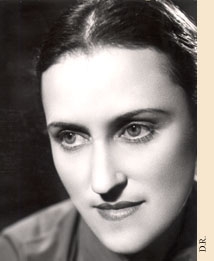
|
Héléna Manson | Lieutenant James' Sister |
|
Germaine Delbat | Stewardess |
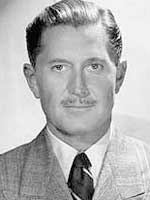
|
Carl Esmond | Doctor |

|
Jacques Fayet | Steward |
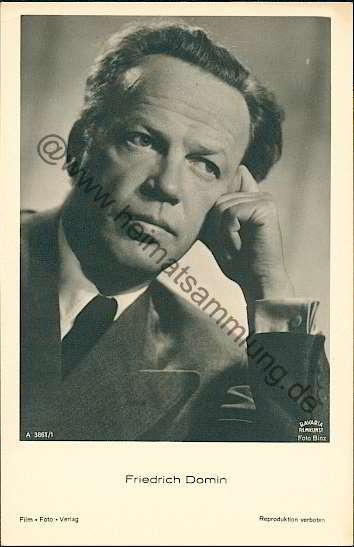
|
Friedrich Domin | Circus Manager |
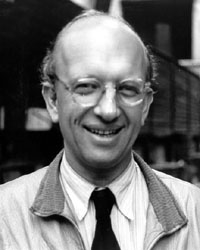
|
Werner Finck | Wisböck / The artist |
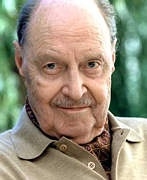
|
Ivan Desny | Lieutenant Thomas James |
|
|
Béatrice Arnac | Circus Rider |
|
|
Maurice Barnay | |
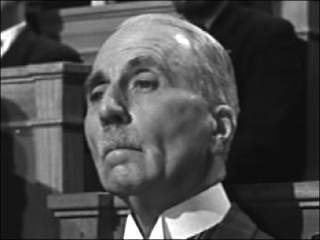
|
Charles Bayard | Man in the box |
|
Ady Berber | Bulgakov |
|
|
Jacqueline Canterelle | Friend of conductor |
|
|
Alain Clairfond | Young man |
|
Yvonne Dany | |
|
Eddy Debray | Captain |
|
|
Roger Dutoit | Seaman |
| Director | Max Ophuls |
|
| Writer | Jacques Laurent, Max Ophuls, Annette Wademant, Jacques Natanson, Peter Ustinov, Jean-Paul Le Chanois, Franz Geiger | |
| Producer | Albert Caraco, André Haguet, Anton Schelkopf | |
| Musician | Georges Auric | |
| Photography | Christian Matras | |
| Edition | Criterion |
|---|---|
| Packaging | Keep Case |
| Nr Discs | 1 |
| Screen Ratios | Anamorphic Widescreen (2.35:1) Anamorphic Widescreen (2.55:1) |
| Audio Tracks | Stereo [French] SUB [English] |
| Subtitles | English |
| Edition Release Date | Feb 16, 2010 |
| Regions | A |