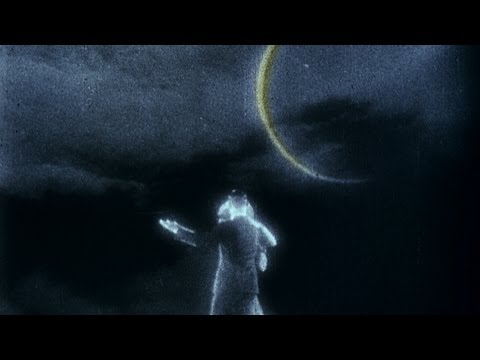


Two lonely people in the big city meet and enjoy the thrills of an amusement park, only to lose each other in the crowd after spending a great day together. Will they ever see each other again?
Two lonely people discover short-lived happiness in this silent drama. Jim (Glenn Tryon) and Mary (Barbara Kent) live in the same rooming house in New York City, though they've never met; Jim works in a metal fabricating plant, and Mary runs a switchboard for the telephone company. While both have friends, they both long for something more in their lives. One afternoon, Jim decides to go to Coney Island to see the famous amusement park, and on the bus he spies Mary. Jim finds her attractive, and eventually works up the nerve to introduce himself on the beach. The two discover they share a mutual attraction, and over the course of the day Jim and Mary fall in love, while a visit to a fortune teller suggests to Mary that she's met the man who will become her husband. However, Jim and Mary are separated, and despite their best efforts the two don't know how to find one another again. Lonesome was released in 1929, as silent films were giving way to talking pictures; the picture was originally released silent, though it was soon reissued in a version with sound sequences.
All Movie Guide
This rarely screened silent-era gem is a classic boy-meets-girl story set in the hustle and bustle of New York City. Jim Tryon and Barbara Kent play Jim, a factory worker, and Mary, a telephone operator, who meet at an Independence Day carnival by the seashore. Director Paul Fejos crams each frame with energy and movement, employing all kinds of expressive camerawork and visual effects. In a montage depicting the hectic drudgery of Mary's working day, he superimposes a clock and several tiny faces chattering away as she frantically works the switchboard; and when the lovers finally find themselves alone on the beach at night, the film suddenly glows with hand-tinted color. Made at the dawn of the sound era (two sound scenes were added later to cash in on the new craze), Lonesome represents the height of silent film artistry. Besides being a charming tale with a neat twist at the end, it is also a visually dazzling cinematic essay on urban alienation and an intoxicating ode to love.
|
Barbara Kent | Mary |
|
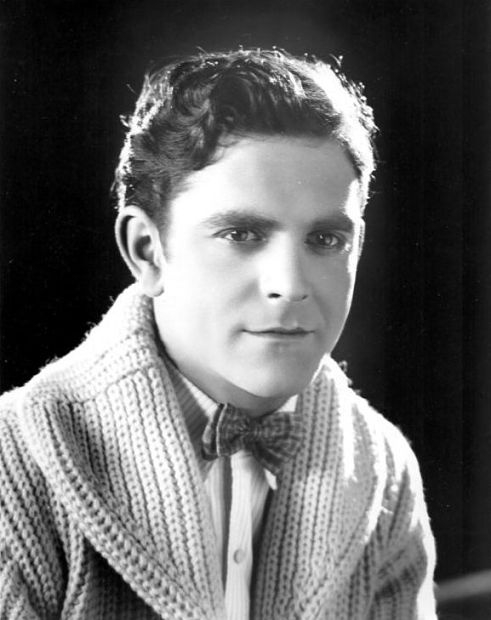
Glenn Tryon | Jim |
|
Fay Holderness | Overdressed Woman |
|
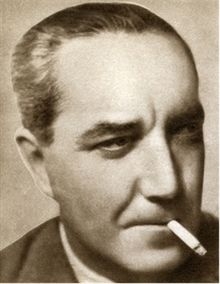
Gusztáv Pártos | Romantic Gentleman |
|
Eddie Phillips | The Sport |
|
Andy Devine | Jim's Friend |
|
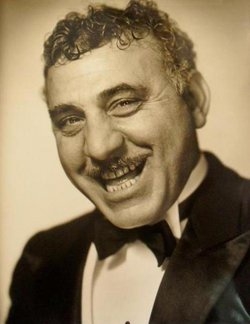
Henry Armetta | Ferris wheel guy |
|
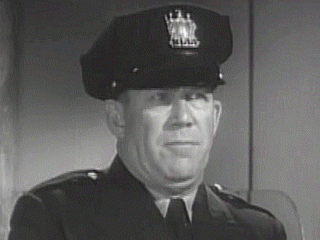
Edgar Dearing | Cop |
|
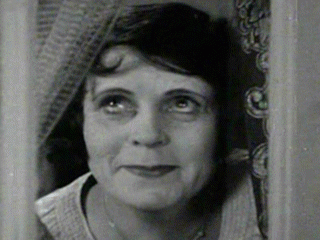
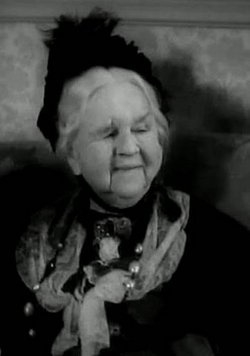
Louise Emmons | Telephone Caller |
|
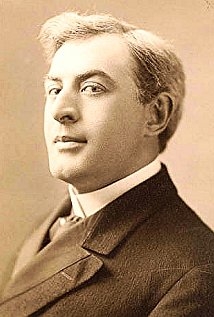
Fred Esmelton | Swami |
|
Jack Raymond | Barker |
|
Churchill Ross | Telephone Caller |
| Director | Pál Fejös |
|
| Writer | Mann Page, Edward T. Lowe Jr., Tom Reed | |
| Producer | Carl Laemmle Jr., Oskar Schubert-Stevens | |
| Musician | Joseph Cherniavsky | |
| Photography | Gilbert Warrenton | |
| Edition | Criterion Blu-Ray Edition |
|---|---|
| Nr Discs | 1 |
| Screen Ratios | Fullscreen (4:3) |
| Audio Tracks | Mono [English] |
| Regions | Region A |