John Cassellis is the toughtest TV-news-reporter around. He becomes an expert in reporting about violence in the ghetto and racial tensions. But he discovers that his network helps the FBI by letting them look at his tapes to find suspects. When he protests he is fired and goes to the 1968 Democratic National Convention in Chicago.
----------------
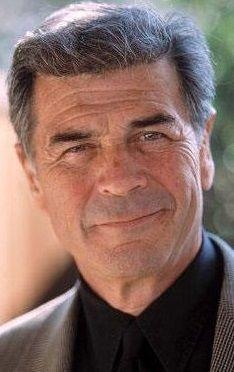
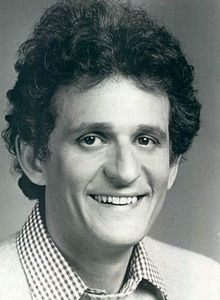
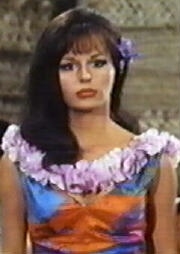
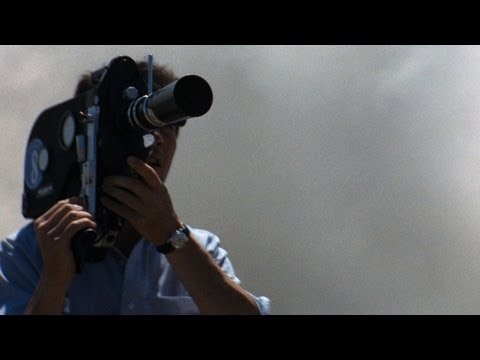
"I love to shoot film" is the sanguine motto of TV lensman John Cassellis Robert Forster in Haskell Wexler's 1969 Medium Cool, a semi-documentary investigation of image-making and politics. With his soundman, Gus Peter Bonerz, John films such events as gruesome car wrecks with frosty detachment, considering himself a mere recorder of circumstances, his only responsibility to get his film in on time. Even his girlfriend, Ruth Marianna Hill, cannot understand or penetrate John's complacency. Encounters with signs of the late '60s times, however, raise John's consciousness about the implications of his job, as he films a verbal attack by black militants on the media's racism, gets fired after he objects to having that footage turned over to the FBI, and meets Vietnam War widow Eileen Verna Bloom. John witnesses the violence of the state firsthand as he and Eileen search for her son amidst the real-life demonstrations and riots at the 1968 Chicago Democratic Convention. Even though he realizes the political power of pointing a camera at anything, John finally cannot extricate himself or his loved ones from a culture obsessed with recording any sensational, gory incident. Scripted from a novel by Jack Couffer, directed, and shot by Oscar-winning cinematographer and political activist Wexler, Medium Cool systematically questions the ideological power of images by combining documentary techniques such as "talking heads" and cinéma vérité with staged scenes between the actors. By the time Wexler and his crew start filming Forster and Bloom among the actual events at the convention, all barriers between fiction and fact are broken down, as Wexler's assistant can be heard warning, "Watch out, Haskell, it's real," when tear gas is thrown. The footage of cops clubbing people in the crowd is real, but Wexler's presence also turns it into part of a fictional story, revealing filmed "reality" to be as artificially constructed as any other fiction, subject to the interpretation of whoever holds the camera and, perhaps, to larger institutions of power. Funding Medium Cool partly out of his own resources, Wexler had free reign during production, but when the execs at Paramount saw the result, they were not pleased. Despite the timely subject matter, Paramount delayed and then curtailed the film's release, tempering its impact on critics and audiences. Regardless of that record, Medium Cool stands as a vital late-'60s film for its incisive narrative and formal dissection of the visual politics of "truth," and its awareness of how coolly seductive televised violence might be as entertainment, especially in a historical moment marked by incendiary images of political assassinations, the Vietnam War, the civil rights movement, and counterculture protests.


 English
  Nederlands
  Deutsch
  Français
  Español
  Magyar
  српски
  Dansk
Dansk  Italiano
  Svenska
  Slovenčina
  Português