

 English
  Nederlands
  Deutsch
  Français
  Español
  Magyar
  српски
  Dansk
Dansk  Italiano
  Svenska
  Slovenčina
  Português





1945

drama | foreign | romance
France | French | Color | 01:24



This unique love story, based on a novelette by Denis Diderot and with dialogue written by Jean Cocteau, follows the maneuverings of a society lady as she connives to initiate a scandalous affair between her aristocratic ex-lover and a prostitute. With his second feature film, director Robert Bresson was already forging his singularly brilliant filmmaking technique as he created a moving study of the power of revenge and the strength of true love.
Overview
Though this interesting film was among many responsible for the critical success of French autuer Robert Bresson, it was by no means a commercial success. Slightly different than his other films, director Bresson utilized the contrasty photography of Philippe Agostini (Sylvie et le Fantome, Monde du Silence) and chose professional actors Paul Bernard (Lumiere D'ete), Maria Casares (Enfants du Paradis), and Elina Labourdette (Shanghai Drama) to star rather than non-professionals. With dialogue written by writer/filmmaker Jean Cocteau, Les Dames du Bois du Boulogne was adapted to the screen by Bresson from an interpolated anecdote in Diderot's Jacques Le Fatalist. Casares plays Helene, a passionate but self-controlled woman who is seething after her lover Jean (Bernard) confesses he no longer loves her. Driven by revenge, Helene engineers a plan to attack Jean via Agnes (Labourdette), the woman he truly loves, and Anges' mother (Lucienne Bogaert).
All Movie Guide - Wheeler Winston Dixon
One of Robert Bresson's most incandescent works, this early film also marks the teaming of two of France's most personal and idiosyncratic artists: Robert Bresson and Jean Cocteau. Cocteau (whose 1949 film Orpheus mesmerized post-World War II audiences), in addition to his numerous other accomplishments, wrote the dialogue for Les Dames du Bois de Boulogne, loosely based on Denis Diderot's short story Jacques le Fataliste et Son Maître. Elina Labourdette plays Agnès, a young woman who has been forced into a life of prostitution in wartime Vichy, France, in order to support herself and her ailing mother (Lucienne Bogaert). At the same time, Hélène (the serpentine Maria Casarés) is breaking up with her longtime lover, Jean (Paul Bernard), and, feeling jilted by him, concocts an elaborate plot for revenge. Contacting Agnès and her mother, Helene offers to take over their debts, move them out of the brothel they call home, and set them up in a sleek, modern apartment, with no strings attached. We discover too late Hélène's true motives; she is doing all of this so that Jean will "accidentally" meet Agnès, fall in love with her, marry her, and then become the subject of public ridicule because of Agnès' past. All of this goes off with clockwork precision, but Jean, when confronted with the monstrousness of Hélène's treachery, shakes off his bourgeois prudishness, embraces Agnès despite her fall from grace, and the film ends on a note of hope and Bressonian redemption. Cocteau and Bresson were uneasy collaborators; Cocteau's brilliant, incisive dialogue displeased the reticent Bresson, as did the theatricality of the actors. Before long, Bresson would quit working with actors altogether, and create some of his most compelling films using non-professionals, or as he called them, "models," for the leading roles. But in this film the young filmmaker and his scenarist combine to make a telling commentary on the vicissitudes of living in occupied Paris; indeed, Les Dames du Bois de Boulogne is one of the key works of the French Resistance. Working at night on unheated sets (you can see the actors' breath condensing in front of their faces in several scenes), Cocteau and Bresson crafted a brutal parable about the realities of living life under the Nazis in occupied France -- one had the illusion of freedom, but in fact, the leash was very short. Filled with sumptuous sets by Max Douy and a superbly moving score by the great Jean-Jacques Grünenwald, Les Dames du Bois de Boulogne is one of the most subtle masterpieces of classical French cinema.

|
Paul Bernard | Jean |
|
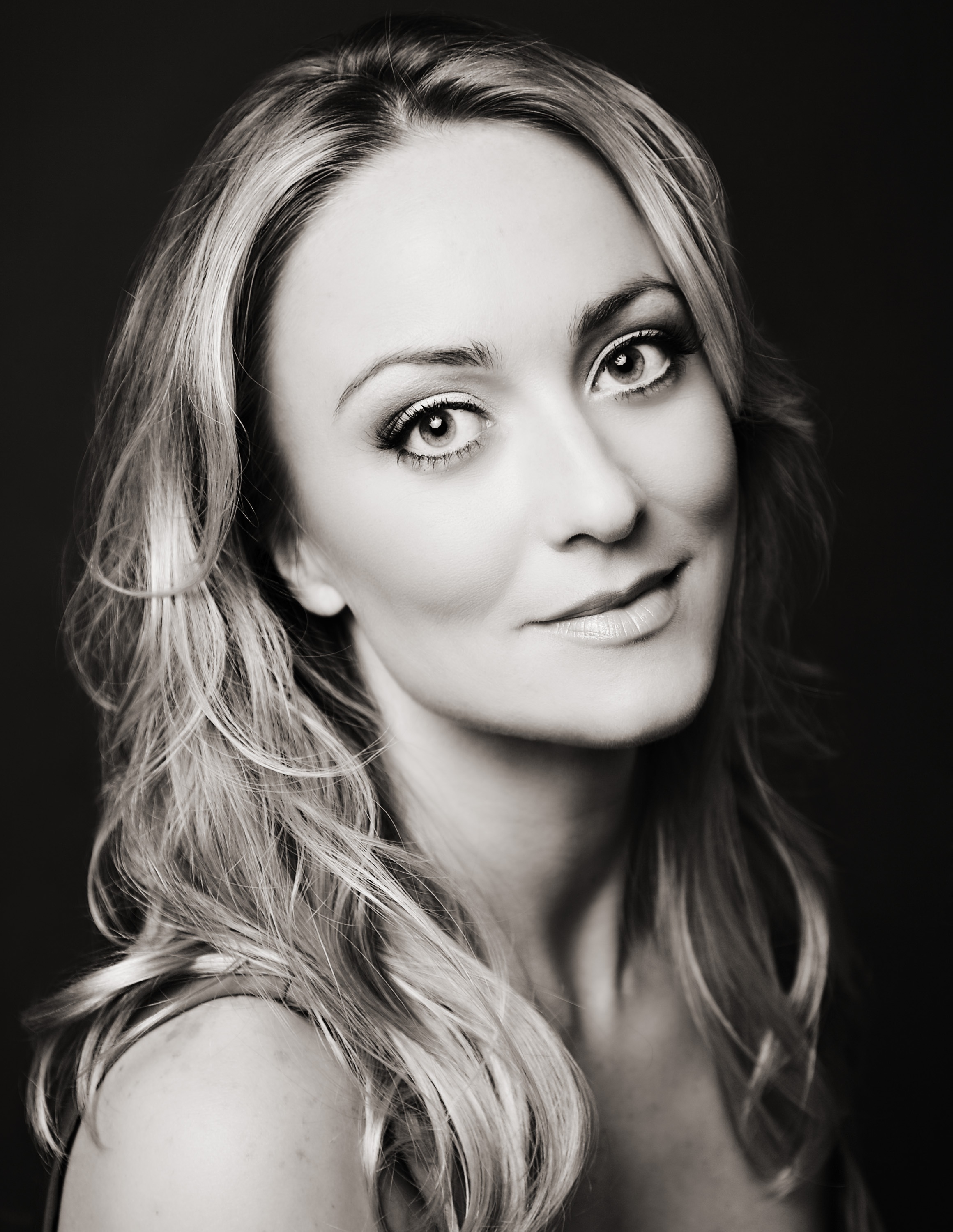
María Casares | Hélène |
|
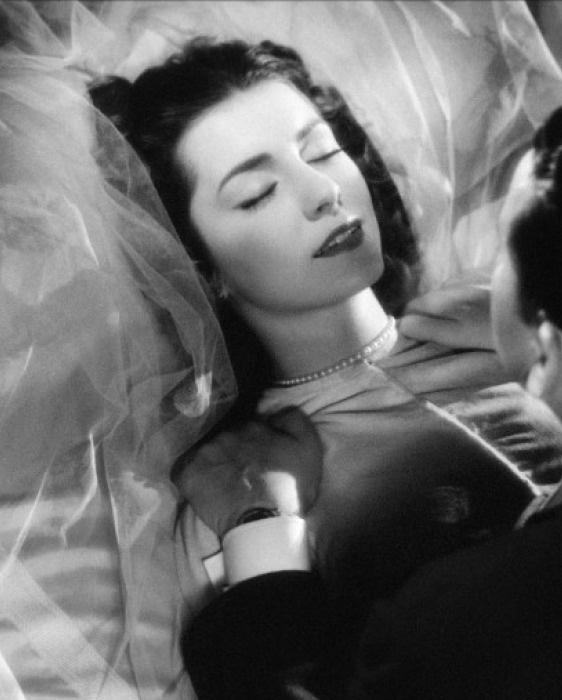
Elina Labourdette | Agnès |
|
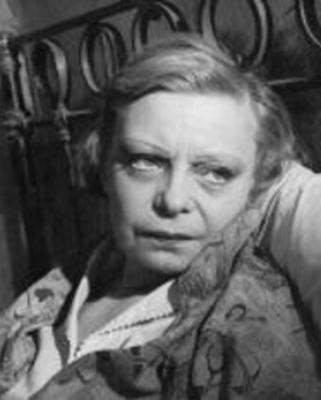
Lucienne Bogaert | Mme. D |
|
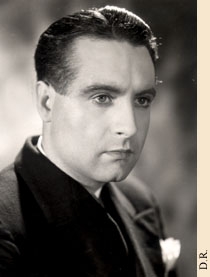
Jean Marchat | Jacques |
|
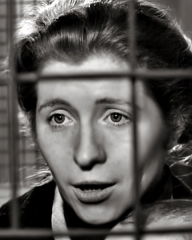
Yvette Etiévant | La bonne |
|
Marcel Rouzé | |
|
Bernard Lajarrige | |

|
Lucy Lancy | |
|
|
Nicole Regnault | |
|
|
Emma Lyonel | |
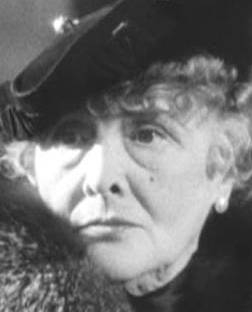
|
Marguerite de Morlaye | |
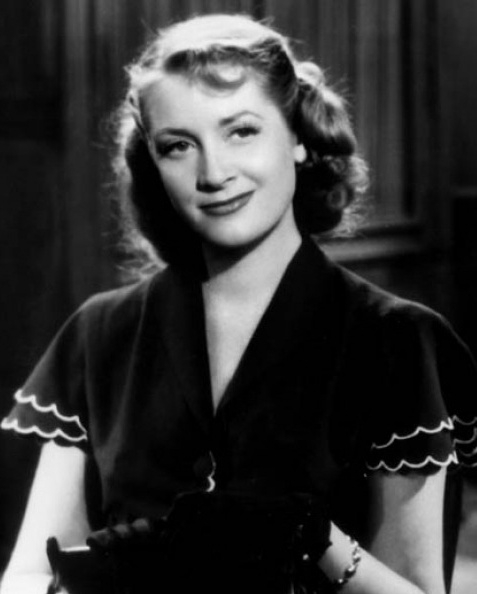
|
Blanchette Brunoy | |
|
Gilles Quéant |
| Director | Robert Bresson |
|
| Writer | Robert Bresson, Denis Diderot, Jean Cocteau | |
| Producer | Raoul Ploquin | |
| Musician | Jean-Jacques Grünenwald | |
| Photography | Philippe Agostini | |
| Edition | Criterion |
|---|---|
| Packaging | Keep Case |
| Nr Discs | 1 |
| Screen Ratios | Fullscreen (4:3, Letterboxed) |
| Audio Tracks | Dolby Digital Mono [English] Dolby Digital Stereo [French] SUB [English] |
| Subtitles | English |
| Distributor | Criterion |
| Layers | Single side, Single layer |
| Edition Release Date | Mar 11, 2003 |