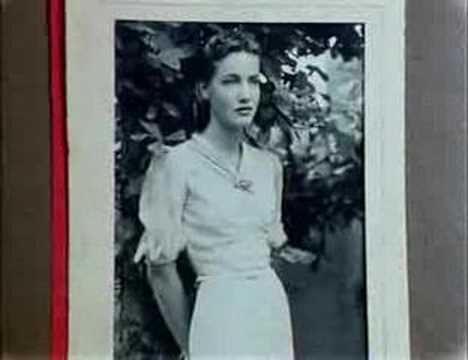
An old mother and her middle-aged daughter, the aunt and cousin of Jacqueline Kennedy Onassis, live their eccentric lives in a filthy, decaying mansion in East Hampton.
Meet Big and Little Edie Beale -- high-society dropouts, mother and daughter, reclusive cousins of Jackie O. -- thriving together amid the decay and disorder of their ramshackle East Hampton mansion. Five years after Gimme Shelter, the Maysles unveiled this impossibly intimate portrait of the unexpected, an eerie echo of the Kennedy Camelot, which has since become a cult classic and established Little Edie as fashion icon and philosopher queen.
Overview
Filmmaker brothers David Maysles and Al Maysles bring their unique vision to Grey Gardens. Criterion has done a fine job on this 1.33:1 full-frame transfer, which sports decent colors and a minimal amount of dirt and grain. While this could have been a sharper transfer, overall, this is very nice-looking for its age well over 25 years old. The audio is presented in Dolby Digital 1.0 and supports the film well. While this mix is very flat and uninteresting, it works fine within the confines of the film. Also included on this disc are English subtitles. Criterion has done a nice job at throwing on a few extra features starting with a commentary by Al Maysles, Ellen Hovde, Muffie Meyer, and Susan Froemke. This is a very insightful commentary with all of the participants reciting stories and facts about the production of the film. Also included on this disc is a strange 1969 interview with "Little" Edie Beale, fascinating interviews with Todd Oldham and John Bartlett, theatrical trailers for the film, and some short filmographies on the crew.
All Movie Guide - Tom Wiener
Although Salesman their breakthrough film and Gimme Shelter their most accessible film are better known in the canon of Maysles brothers' movies, arguably their most moving film is this portrait of two aging women stuck in time and locked in a mother-daughter relationship for the ages. Edith Beale and Edie Beale are related to Jacqueline Kennedy Onassis, which presumably brought them to the attention of the Maysles when the women were almost evicted from their rundown mansion on Long Island. But the Kennedy connection is really only incidental; this could be any mother and daughter whose past lives of wealth and privilege are all they have to go on in their respective old and middle age. The third character here is their house, slowly succumbing to age and neglect, but, especially for Big Edie, the supreme symbol of her once glorious past. The film is both heartbreaking and unexpectedly funny. Little Edie as the filmmakers call her loves confiding to the camera, and her sense of fashion which runs to interesting head wraps and inverted skirts and her way with words make her an endlessly entertaining subject, even as you sense the desperation beneath her dancing and singing routines and her whispered monologues. The film's most common image -- of Little Edie confiding to the Maysles that she has to get out of Grey Gardens while her mother calls her from another room to come and help her -- goes beyond even the specificity of wealth gone to ruin. What middle-aged offspring of an aging and needy parent hasn't experienced the same tug of emotions?


 English
  Nederlands
  Deutsch
  Français
  Español
  Magyar
  српски
  Dansk
Dansk  Italiano
  Svenska
  Slovenčina
  Português