

 English
  Nederlands
  Deutsch
  Français
  Español
  Magyar
  српски
  Dansk
Dansk  Italiano
  Svenska
  Slovenčina
  Português





1968


Drama | Film Noir | Foreign
UK | English | Color | 01:51


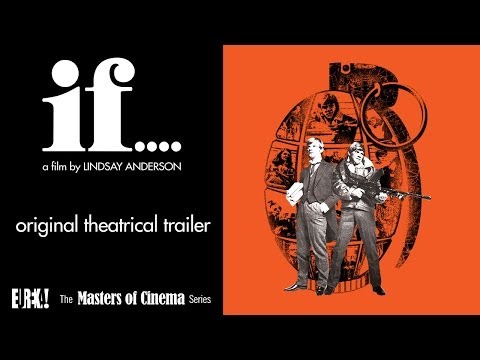
Lindsay Anderson’s If.... is a daringly anarchic vision of British society, set in a boarding school in late-sixties England. Before Kubrick made his mischief iconic in A Clockwork Orange, Malcolm McDowell made a hell of an impression as the insouciant Mick Travis, who, along with his school chums, trumps authority at every turn, finally emerging as violent savior against the draconian games of one-upmanship played by both students and the powers that be. Mixing color and black and white as audaciously as it mixes fantasy and reality, If.... remains one of cinema’s most unforgettable rebel yells
-------
Overview
Rebellious students at an English private school plan a violent revolt against their repressive environment in director Lindsay Anderson's highly acclaimed but extremely controversial drama. Centering on a small group of non-conformists led by Mick Travis Malcolm McDowell, the film paints a distinctly negative picture of the British school system and, by extension, English society. Seeing the powers-that-be as humorless, bureaucratic, and needlessly restrictive, Mick and his cohorts indulge in small acts of rebellion, including sneaking into town to romance a local waitress. Their actions are discovered and punished with harsh beatings, leading the students to plot revenge. This effort culminates in the film's most famous sequence, a surrealistic depiction of a bloody uprising by the students against the adult world. Daring and unpredictable in content and form, If... mixes color and black-and-white cinematography as easily as it mingles satire with dark fantasy. The film's ambiguous attitude toward violence caused controversy at the time, as many commentators saw the film as a potential incitement to violence. It became a great success among younger, counter-culture audiences who appreciated the audacious shock tactics and embraced the satirical, anti-establishment message. Often compared to Jean Vigo's French classic Zéro de conduite, which also featured surrealistic boarding-school rebellion, If... has become a high point in the cinema of youth rebellion. Anderson and McDowell later collaborated on O Lucky Man! 1973, Look Back in Anger 1980, and Britannia Hospital 1982.
----
All Movie Guide
Surreal and satiric, If... is both a withering critique of British society and a fantasy rooted in the spirit of schoolboy anarchy. Fairly controversial when it was released in Britain in 1968, the film still has the power to shock, not so much because of its sex and violence (fairly tame by today's standards) but because of the manner in which they are presented. Resembling a landlocked Lord of the Flies, If... remains most startling for its depiction of savagery, on the part of both society (represented by the school and its authorities) and the young men it produces. It is a casual, offhand savagery, seemingly as much a part of British society as tea and scones. Lindsay Anderson's ambiguous approach to the film's violence is consistent with the film's blackly satirical tone, mirroring the aim being taken at societies across the world at the time by their dissatisfied youth. If... can be seen as Anderson's metaphor for the changes occurring across the world in 1968, but it goes further than mere protest, culminating in a show of all-out rebellion that remains one of the high points of the cinema of youthful discontent.
|
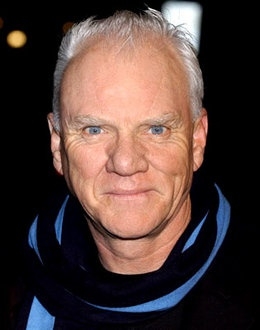
Malcolm McDowell | Mick - Crusader |

|
David Wood | Johnny - Crusader |
|
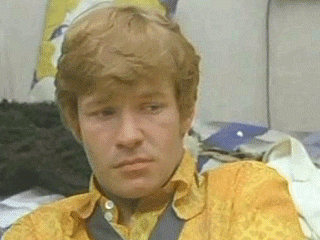
Richard Warwick | Wallace - Crusader |

|
Christine Noonan | The Girl - Crusader |
|
|
Rupert Webster | Bobby Philips - Crusader |
|
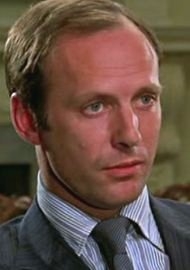
Robert Swann | Rowntree - Whip |
|
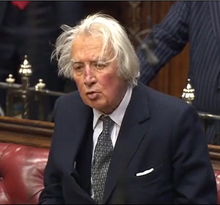
Hugh Thomas | Denson - Whip |
|
|
Michael Cadman | Fortinbras - Whip |
|
|
Peter Sproule | Barnes - Whip |

|
Peter Jeffrey | Headmaster - Staff |

|
Anthony Nicholls | General Denson - Staff |
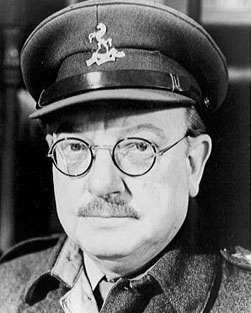
|
Arthur Lowe | Mr. Kemp - Staff |
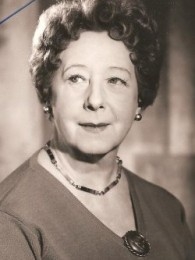
|
Mona Washbourne | Matron - Staff |

|
Mary MacLeod | Mrs. Kemp - Staff |
|
Geoffrey Chater | Chaplain - Staff |
|
Ben Aris | John Thomas - Staff |
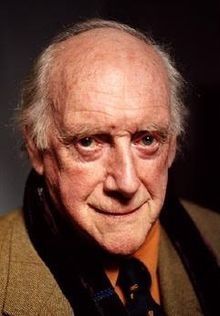
|
Graham Crowden | History Master - Staff |
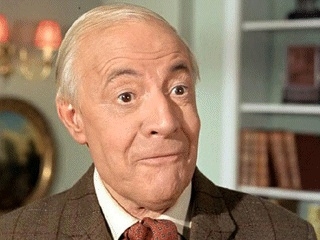
|
Charles Lloyd Pack | Classics Master - Staff |
|
|
Guy Ross | Stephans - Senior |
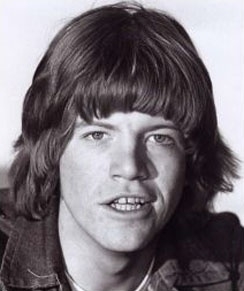
|
Robin Askwith | Keating - Senior |
|
|
Richard Everett | Pussy Graves - Senior |
|
|
Philip Bagenal | Peanuts - Senior |
|
|
Nicholas Page | Cox - Senior |
|
|
Robert Yetzes | Fisher - Senior |
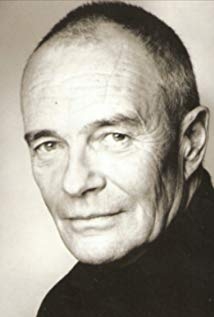
|
David Griffin | Willens - Senior |
| Director | Lindsay Anderson |
|
| Writer | David Sherwin, John Howlett | |
| Producer | Lindsay Anderson, Roy Baird, Albert Finney, Michael Medwin | |
| Musician | Marc Wilkinson | |
| Photography | Miroslav Ondricek | |
| Edition | Criterion |
|---|---|
| Packaging | Keep Case |
| Nr Discs | 1 |
| Audio Tracks | ENGLISH: DTS |
| Layers | Single side, Single layer |
| Edition Release Date | Aug 30, 2011 |
| Regions | A |