

 English
  Nederlands
  Deutsch
  Français
  Español
  Magyar
  српски
  Dansk
Dansk  Italiano
  Svenska
  Slovenčina
  Português





1959


Drama | Foreign | War
Italy | Italian | Black & White | 02:12

Il Generale Della Rovere

The Gestapo forces con man Victorio Bardone (Vittorio De Sica) to impersonate a dead partisan general in order to extract information from his fellow inmates.
-------
In a magnetic performance, Vittorio De Sica is Bardone, an opportunistic rascal in wartime Genoa, conning and cheating his fellow Italians, exploiting their tragedies by promising to help find their missing loved ones in exchange for money. But when the Nazis force him to impersonate a dead partisan general in prison to extract information from fellow inmates, Bardone finds himself wrestling with his conscience for the first time. Roberto Rossellini s gripping drama, among his most commercially popular films, is further evidence of the compassionate artistry of one cinema s most important voices.
-------------
Overview
After winning worldwide acclaim as a pioneer of the neorealist style with Open City (1945), Paisan (1946) and Germany Year Zero (1948), director Roberto Rossellini avoided the subject of war, fearful of repeating himself, but when he returned to the theme of Italy struggling with fascism from within and without during World War II, he created one of his last great international successes. Il Generale Della Rovere won the Golden Lion at the 1959 Venice Film Festival and was nominated for a Best Screenplay Oscar in the United States, and now it makes its belated North American DVD debut in this edition from the Criterion Collection. Il Generale Della Rovere has been transferred to disc in its original full-frame aspect ratio of 1.33:1, and the image quality is first-rate. Taken from an excellent source print, the disc boasts an ambitious scale of gray tones and fine contrast, and demonstrates just how good a well-photographed black and white film can look on DVD. The audio has been mastered in Dolby Digital Mono, and the fidelity is very good given the age of the film. The dialogue is in Italian, with optional English subtitles but no multiple language options. As a bonus, this release includes interviews with three of Roberto Rossellini's children -- actress Isabella Rossellini, filmmaker Renzo Rossellini and educator Ingrid Rossellini -- who offer their perspectives on the director's life and work, as well a chat with film critic and historian Adriano Apra, who discusses the picture's historical basis and creative strengths. Rossellini biographer Tag Gallagher contributes an illustrated essay on Il Generale Della Rovere entitled The Choice, and the original Italian trailer for the feature is also included. Finally, the accompanying booklet includes a thoughtful essay by James Monaco and a brief interview with Indro Montanelli, who wrote the book that was the basis for Rossellini's screenplay. Despite its critical acclaim, Il Generale Della Rovere hasn't enjoyed the same attention in the United States as Roberto Rossellini's other World War II projects, but it has stood the test of time as a brave and compelling work from a trailblazing director, and the excellence of Criterion's DVD release will hopefully spark the resurgence of interest the film deserves.
-------------
All Movie Guide - Tom Wiener
The transformation of an ordinary man to something resembling a hero is the stuff of many war films, but they're usually about a soldier who finds the courage to throw himself into the thick of battle. Here, the transformation is wrought on a con man, played by Vittorio De Sica, who manages to look elegant even as he's playing a man of reduced means. Presenting himself as "Colonel Grimaldi", he preys upon the fears of those whose relatives have been incarcerated by the Germans in occupied Genoa, offering promises of access and a better deal in exchange for the money he needs to pay his gambling debts. The fact that Bardone (the character's real name) is taking advantage of his fellow Italians is a terrific setup for his own incarceration as General della Rovere. The Germans hope to use his charismatic presence in a jail packed with political prisoners to elicit information on which of them is the leader of the resistance, opening him up to intense torture for information on his organization's activities. Not surprisingly, Bardone undergoes a conversion once he's behind bars. Setting up this scenario takes a bit too much screen time, though it's a lot of fun to watch De Sica's routine. The payoff scenes -- his reading the last graffiti of condemned men written on a cell wall, using his con man's skills to bluff his fellow prisoners into being brave during an air raid -- are well worth the slow build-up. Also of note is Hannes Messemer's performance as Bardone's Colonel Mueller, a cultured Nazi officer who only reluctantly uses physical intimidation to get his way and then shrugs philosophically when a mass execution thwarts his quest for the leader's identity.

|
Vittorio De Sica | Emanuele Bardone detto 'Grimaldi' |
|
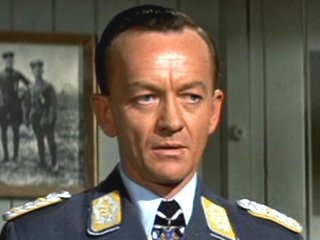
Hannes Messemer | Il colonnello Müller |
|
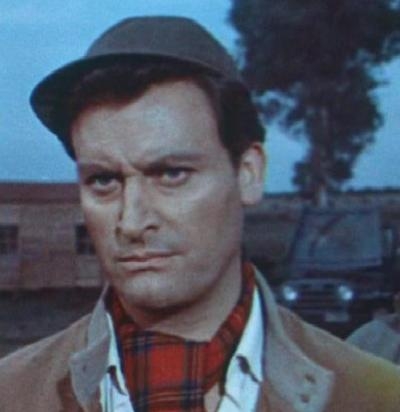
Vittorio Caprioli | Aristide Banchelli |
|
Nando Angelini | Paolo |

|
Herbert Fischer | Il sergente Walter Hageman |
|
|
Mary Greco | Vera - la madama |
|
|
Bernardo Menicacci | Il secondino |

|
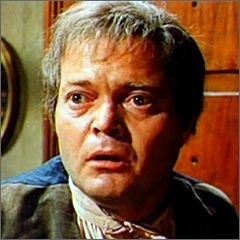
Lucia Modugno | Una partigiana |
|
Luciano Pigozzi | Un detenuto spazzino |
|
|
Kurt Polter | L'aiutante di Müller |
|
|
Giuseppe Rosetti | Fabrizio |
|
|
Kurt Selge | Il maresciallo Schrantz |
|
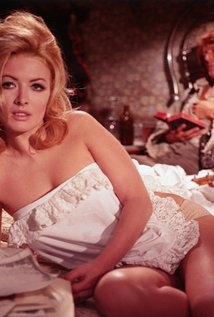
Linda Veras | La segretaria tedesca |

|
Sandra Milo | Olga |

|
Giovanna Ralli | Valeria |

|
Anne Vernon | Carla Fassio |
|
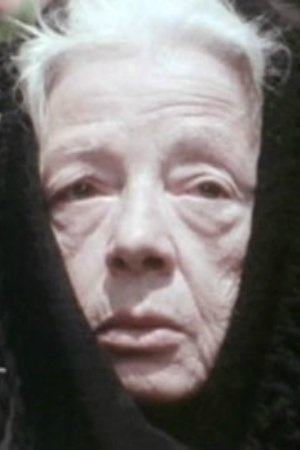
Ester Carloni | La cameriera del postribolo |
|
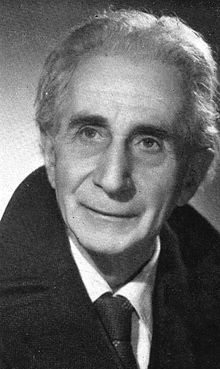
Armando Annuale | Bit part |

|
Gianni Baghino | Scalise |
|
|
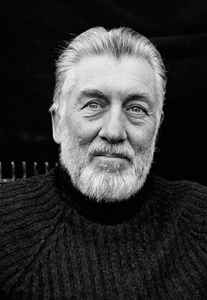
Baronessa Bazzani | La contessa Bianca Maria Della Rovere |
|
Peter Boom | Bit part |
|
|
Aristide Catani | Un detenuto |
|
|
Lucia Cavalieri | La vecchietta nella sala d'attesa del quartier generale tedesco |
|
Enrico Cesaretti | La guardia SS |
|
|
Clarissa Corner |
| Director | Roberto Rossellini |
|
| Writer | Sergio Amidei, Diego Fabbri, Indro Montanelli, Roberto Rossellini, Piero Zuffi | |
| Producer | Moris Ergas, Alain Poiré | |
| Musician | Renzo Rossellini | |
| Photography | Carlo Carlini | |
| Edition | Criterion |
|---|---|
| Packaging | Keep Case |
| Nr Discs | 1 |
| Screen Ratios | Fullscreen (4:3, Letterboxed) |
| Audio Tracks | SUB [English] |
| Subtitles | English |
| Distributor | Criterion |
| Edition Release Date | Mar 31, 2009 |
| Regions | 1 |