

Der Fangschuß
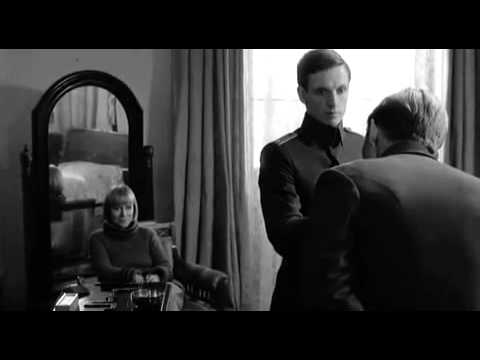
Latvia, 1919: the end of the Russian Civil War. An aristocratic young woman (brilliantly played by Margarethe von Trotta) becomes involved with a sexually repressed Prussian soldier. When she is rejected by her love, the young woman is sent into a downward spiral of psychosexual depression, promiscuity, and revolutionary collaboration. A startling tale of heartbreak and violence set against the backdrop of bloody revolution, Volker Schlöndorff’s Coup de grâce is a powerful film that explores the interrelation of private passion and political commitment.
Overview
This double-feature video combines a highly regarded French short subject and a less celebrated but still worthwhile French-German feature. Based on a short story by Ambrose Bierce, director Robert Enrico's An Occurrence at Owl Creek Bridge details the desperate escape attempt made by a condemned Confederate prisoner during the Civil War. To tell any more would be to give away Bierce's sardonic punchline. Released in France in 1962, Occurrence was given its widest American exposure when it was shown as a 1964 episode of the TV anthology The Twilight Zone. 1976's Coup de Grace (released in Germany as Der Fangschluss) was inspired by a Marguerite Yourcenar novel and directed by Volker Schlondorff. The story is set in Latvia in 1919, at the height of the Soviet Civil War. Margarethe von Trotta plays an aristocrat sympathetic to the Communist cause. Besides her ruinous habit of falling love with men who do not love her, Margarethe's tragic flaw is her refusal to acknowledge the cost of the revolution in terms of human lives. Director Schlondorff tends to dole out symbolism with a steamshovel; still, he effectively conveys his basic thesis that morality and politics invariably cancel each other out, and that to look for "solutions" is tantamount to chasing rainbows.
|
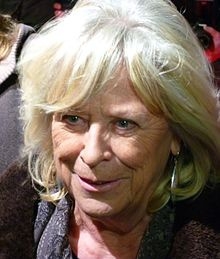
Margarethe von Trotta | Sophie von Reval |
|
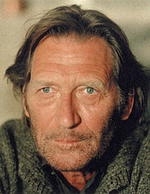
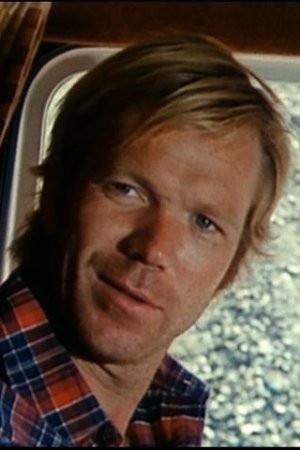
Matthias Habich | Erich von Lhomond |
|
Rüdiger Kirschstein | Conrad von Reval |
|
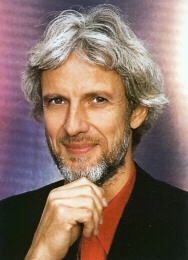
Mathieu Carrière | Volkmar |
|
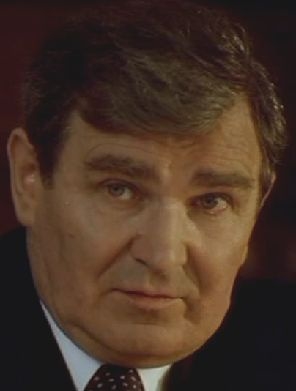
Marc Eyraud | Dr. Paul Rugen |
|
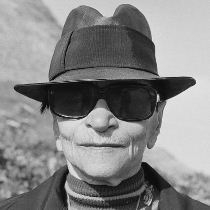
Valeska Gert | Tante Praskovia |
|
Frederik von Zichy | Franz von Aland |
|
Bruno Thost | Chopin |
|
Henry van Lyck | Borschikoff |
|
Alexander von Eschwege | Blankenberg |
|
Franz Morak | Grigori Loew |
|
Maria Guttenbrunner | Mutter Loew |
|
Hannes Kaetner | Michel |
|
Stephan Paryla | Sergeant |
| Director | Volker Schlöndorff |
|
| Writer | Marguerite Yourcenar, Geneviève Dormann, Margarethe von Trotta, Jutta Brückner | |
| Producer | Anatole Dauman, Eberhard Junkersdorf, Hans Prescher, Volker Schlöndorff | |
| Musician | Stanley Myers | |
| Photography | Igor Luther | |
| Edition | Criterion |
|---|---|
| Packaging | Keep Case |
| Nr Discs | 1 |
| Screen Ratios | Anamorphic Widescreen (1.66:1) Anamorphic Widescreen (1.78:1) Fullscreen (4:3, Letterboxed) |
| Audio Tracks | Dolby Digital Mono [English] Mono [German] SUB [English] |
| Subtitles | English |
| Distributor | Criterion |
| Layers | Single side, Dual layer |
| Edition Release Date | May 27, 2003 |
| Regions | Region 1 |