Set in contemporary Paris, the movie is a variation of the classic Greek myth of Orpheus. This film is the central part of Cocteau's Orphic Trilogy, which consists of The Blood of a Poet (1930), Orpheus (1950) and Testament of Orpheus (1960).
Overview
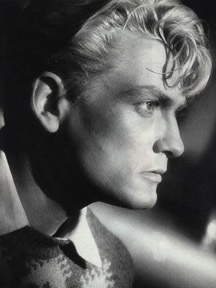
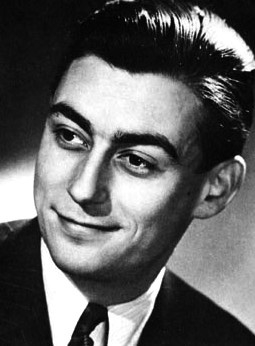
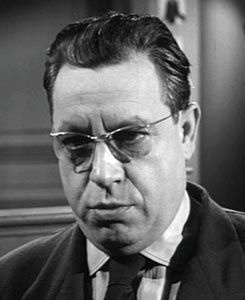
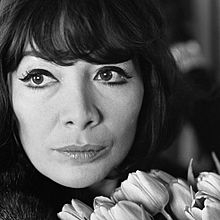
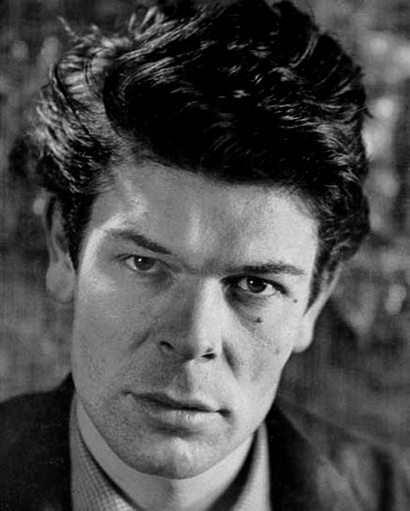
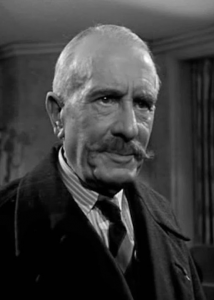
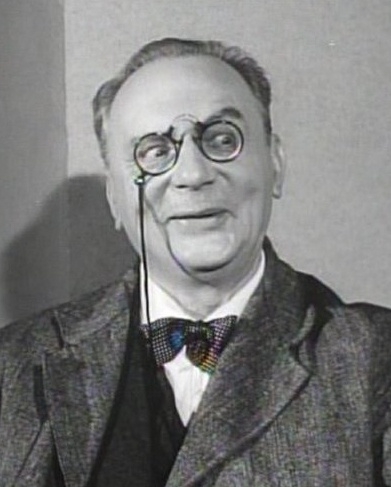
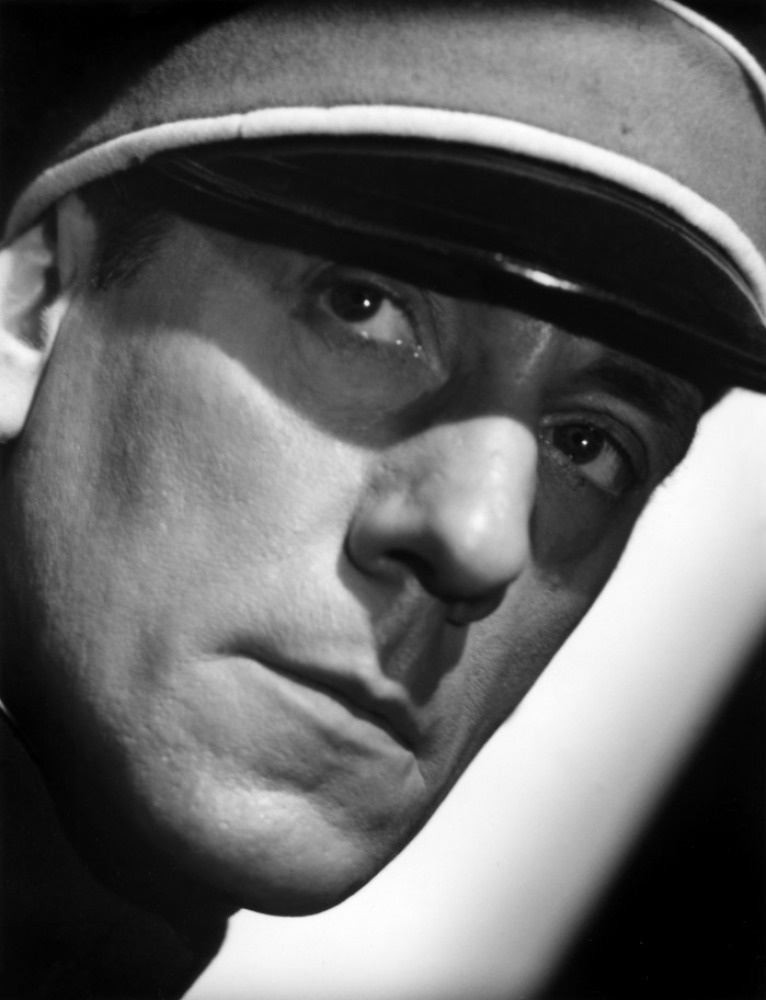
Cinematic poet Jean Cocteau explored the myth of Orpheus on no fewer than three occasions: Le Sang d'Un Poete (Blood of a Poet, 1930), Orphee (Orpheus, 1949) and Le Testament d'Orphee (1960). This second of his "Orpheus" trilogy stars Jean Marais in the title role. Updated to contemporary Paris (albeit a Paris never seen before or since), the story concerns a sensitive young poet named Orpheus, who is married to the lovely Eurydice (Marie Dea). Orpheus' friend Cegeste (Edouard Dermit) is killed in a traffic accident. In the hospital morgue, Cegeste's patroness, The Princess of Death (Maria Casares), revives the young man; then, both Cegeste and Princess pass into the Underworld. Back on earth, Orpheus receives cryptic messages from Cegeste's spirit, as well as nocturnal visitations from the Princess. Meanwhile, Orpheus' wife enters into an affair with Heurtebise (Francois Perier). After seeking advice on her mixed-up love life, Eurydice is herself struck down and killed by the same cyclist who snuffed out Cegeste's life. It appears to Heurtebise that the ghostly Princess has claimed Eurydice so that she, the Princess, can be free to love Orpheus. Heurtebise persuades Orpheus to accompany him into the Underworld in hopes of returning Eurydice to life. By now, however, Orpheus cares little for his wife; he is completely under the Princess' spell. Offered her own liberation from the Underworld by the powers-that-be, the Princess dolefullly agrees to restore Eurydice to life, and to never have anything to do with Orpheus again. Orpheus has weathered much controversy to take its place among the director's most acclaimed works. Originally released at 112 minutes, the film was whittled down to 95 minutes for its American release.
All Movie Guide - Tom Wiener
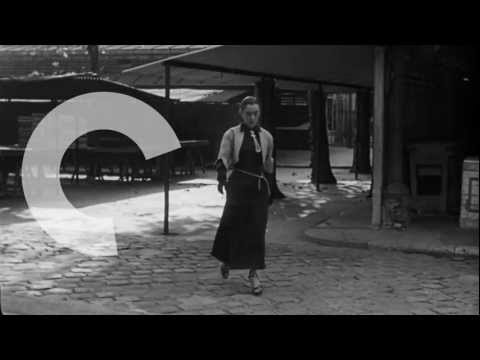
The second of filmmaker Jean Cocteau's films about the myth of Orpheus is the most accessible and well-crafted. The Criterion DVD is the best way to experience the film, especially for cinematographer Nicolas Hayer's noir-ish black-and-white imagery. Jean Marais, usually more a screen icon than persuasive actor, is a bit overwrought as Orpheus, but everyone in the supporting cast is solid, especially Maria Casares as the alluring Princess of Death and Francois Perier as Heurtibise, her lovestruck chauffeur. Cocteau expands on some of the themes he suggested in Blood of a Poet concerning the struggle of the artist to understand his role in the physical world and what death may entail, and he continues to explore his fascination with mirrors as portals between this life and the afterlife. Setting the film in the present allows Cocteau to employ one witty touch: Orpheus sitting in the Princess' Rolls Royce, listening to the car radio, which broadcasts messages from the afterlife.


 English
  Nederlands
  Deutsch
  Français
  Español
  Magyar
  српски
  Dansk
Dansk  Italiano
  Svenska
  Slovenčina
  Português