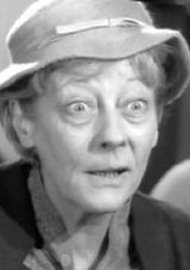
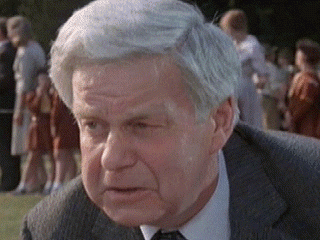
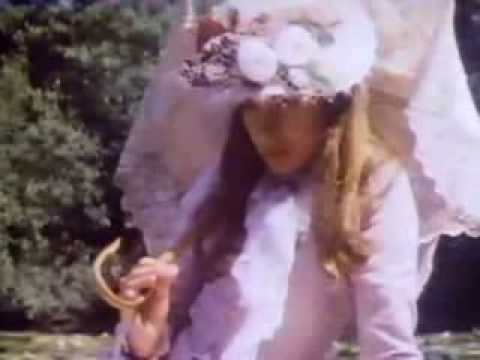
In Roman Polanski's adaptation of Thomas Hardy's Tess of the D'Urbervilles, Nastassja Kinski plays Tess, a poor British peasant girl sent to live with her distant and wealthy relatives, the D'Urbervilles. Though Tess' father had hoped that the girl would be permitted a portion of the D'Urberville riches, he is in for a major disappointment: Tess' new housemates are not D'Urbervilles at all, but a social-climbing family that has bought the name. Tess won three Oscars, including a "Best Cinematography" statuette for the late Geoffrey Unsworth and his successor Ghislain Cloquet. The film also served to catapult Nastassja Kinski to stardom. — Hal Erickson
Tess is Roman Polanski's sparse, straightforward, unsentimental adaptation of Tess of the d'Urbervilles, Thomas Hardy's classic novel of a woman whose compromised chastity triggers her tragic downfall. Clocking in at 170 minutes, Tess takes a leisurely approach to advancing the narrative, but remains distant, preferring a remote look at the bleakness of Victorian England to the gussied-up flair featured in other costume dramas. Cinematographers Ghislain Cloquet and Geoffrey Unsworth, who won Oscars for their work, put an appropriately gray Victorian England up onscreen, its sunless atmosphere in line with the themes of the novel. The quiet, contemplative nature of the film is echoed, although not so skillfully, in the lead performance of Natassja Kinski. Seemingly cast more for her soulful eyes (and Polanski's budding relationship with her) than her acting, Kinski gives a tentative, one-note performance that is nearly inaudible. Still, it served to deliver her a variety of other projects and bring her limited stardom. Peter Firth's turn as Angel Clare, whose spurning of Tess is almost crueler than her misuse at the hands of her sham cousin (Leigh Lawson), is typical of Polanski's (and Hardy's) skepticism about the possibility of true romantic heroism. The film clearly portrays why a woman's faith in God would waver when faced with a world that refuses to distinguish the victim from the victimizer. In an interesting side note, Polanski dedicated Tess to his real-life tragic heroine, his murdered wife, Sharon Tate. — Derek Armstrong


 English
  Nederlands
  Deutsch
  Français
  Español
  Magyar
  српски
  Dansk
Dansk  Italiano
  Svenska
  Slovenčina
  Português