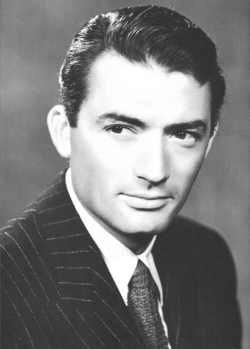
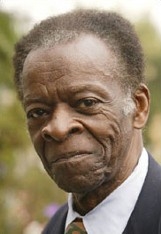
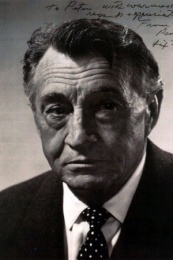
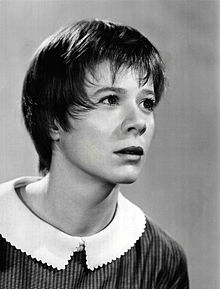
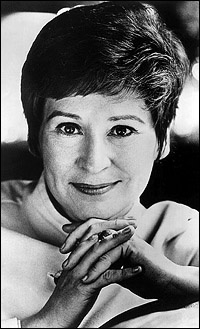
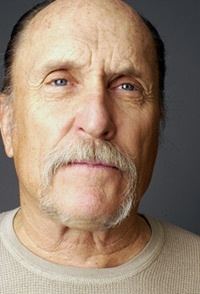
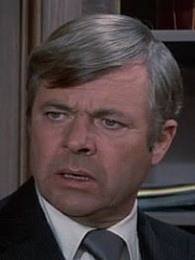
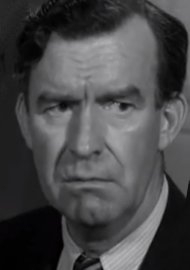
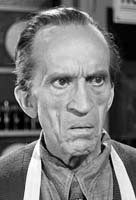
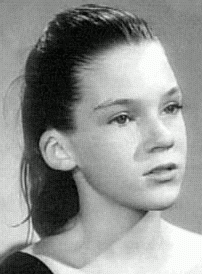
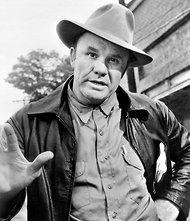
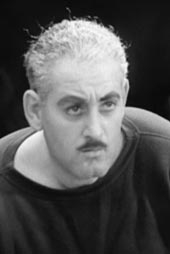
Harper Lee 's Pulitzer Prize-winning autobiographical novel was translated to film in 1962 by Horton Foote and the producer/director team of Robert Mulligan and Alan J. Pakula . Set a small Alabama town in the 1930s, the story focuses on scrupulously honest, highly respected lawyer Atticus Finch, magnificently embodied by Gregory Peck . Finch puts his career on the line when he agrees to represent Tom Robinson ( Brock Peters ), a black man accused of rape. The trial and the events surrounding it are seen through the eyes of Finch's six-year-old daughter Scout ( Mary Badham ). While Robinson's trial gives the film its momentum, there are plenty of anecdotal occurrences before and after the court date: Scout's ever-strengthening bond with older brother Jem ( Philip Alford ), her friendship with precocious young Dill Harris (a character based on Lee 's childhood chum Truman Capote and played by John Megna ), her father's no-nonsense reactions to such life-and-death crises as a rampaging mad dog, and especially Scout's reactions to, and relationship with, Boo Radley ( Robert Duvall in his movie debut), the reclusive "village idiot" who turns out to be her salvation when she is attacked by a venomous bigot. To Kill a Mockingbird won Academy Awards for Best Actor ( Peck ), Best Adapted Screenplay, and Best Art Direction. — Hal Erickson
AMG Review: Robert Mulligan's lovingly crafted recreation of Harper Lee's Pulitzer Prize- winning novel is an outstanding production on many different levels. The Oscar-winning sets by Henry Bumstead and Alexander Golitzen, and gorgeous black-and-white cinematography beautifully evoke the rural Alabama Depression-era setting, providing the perfect backdrop for this quiet-yet-potent study of racism. The suffocating summer heat is reflected in the film's deliberate pacing, which casts a trance over the audience. Horton Foote's Academy Award-winning screenplay is a model of book-to-movie adaptation, as he retains all of the Southern character and charm of the novel without sacrificing Lee's key themes. Because the intolerance of the townspeople is witnessed through the eyes of children (Mary Badham and Philip Alford in impressively authentic performances), the feel is heightened and intensified. Their obsession with neighborhood ghoul Boo Radley (Robert Duvall in his film debut) mirrors the town's racism, and the children's ability to eventually realize their foolishness hints at Lee's hope for the future. Oscar winner Gregory Peck is ideal casting as Atticus, for his Lincoln-like integrity and intelligence perfectly serve the role. Peck hammers home the film's achingly authentic, timeless, and resonant plea for humanistic tolerance: The best way to understand another's problems is to get into his or her skin and walk around in it. Nominated for eight Academy Awards, the film was the winner of three (Best Actor, Art Direction, and Adapted Screenplay).


 English
  Nederlands
  Deutsch
  Français
  Español
  Magyar
  српски
  Dansk
Dansk  Italiano
  Svenska
  Slovenčina
  Português






 digital cda
digital us
digital cda
digital us