

This film is an excellent biography of Woody Guthrie, one of America's greatest folk singers. He left his dust-devastated Texas home in the 1930s to find work, and discovered the suffering and strength of America's working class.
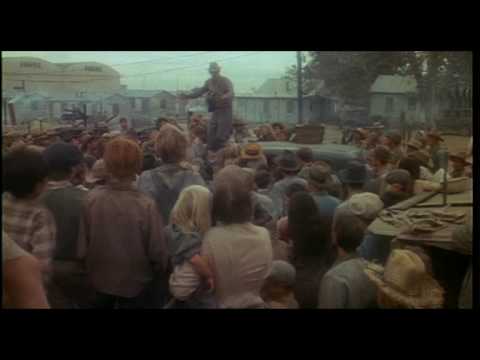
AMG Plot: Adapted by Robert Getchell from Woody Guthrie's autobiography, Hal Ashby's biopic portrays a few pivotal years in the life of the celebrated folk singer and social activist. In the Depression 1930s, Midwesterner Guthrie (David Carradine) plays music locally but cannot make enough as a sign painter to support his wife (Melinda Dillon) and children. With only his paintbrushes, Woody joins the migration westward from the Dust Bowl to supposedly greener California pastures via boxcar and hitchhiking. When penniless Woody is turned back from the California border, he sneaks into the state alone and meets Luther (Randy Quaid), who takes Woody to a farm where hundreds of workers scrounge for a few ill-paid harvesting jobs. When singer Ozark Bole (Ronny Cox) arrives both to entertain and to urge the workers to unionize, Woody joins Ozark in song, fleeing with him after thugs break up the assembly. He lands a job singing with Ozark on the radio, and the two become partners in union agitation. Unable to commit in his personal life as he finds his political voice, Woody brings his family west, but his wife can't tolerate Woody's wandering ways. Reluctant to sell out his ideals for a lucrative career, Woody hits the road again, bringing his songs of freedom and protest to a nationwide audience on his own terms. Opting for atmospheric story-telling over strident polemic, the filmmakers present Guthrie as a complex individual with contradictory virtues and faults. Despite critical praise and nominations for several Oscars, including Best Picture, Bound for Glory proved less than glorious at the box office. — Lucia Bozzola
AMG Review: One of America's most powerful troubadours was the legendary folk-singing social activist Woody Guthrie, and this lushly photographed and carefully told tale presents him honestly, warts and all. Using Guthrie's own words and music, screenwriter Robert Getchell and director Hal Ashby recreate the pivotal Great Depression years during which Guthrie left the Dust Bowl for California, took up singing, and got involved in union organizing. David Carradine's portrayal of Guthrie is deeply affecting but never maudlin. The filmmakers put considerable effort into portraying Guthrie's personal failings as part of his authentic humanity. The great cinematographer Haskell Wexler won an Academy Award for his mythic American landscapes, and Bound for Glory was nominated for five other Oscars. Some critics unfairly compared the film to the classic The Grapes of Wrath, with which it shares subject matter and viewpoint. Bound for Glory is a rare latter-day portrait of social unrest and progressive populism in the United States. — Michael Betzold
|
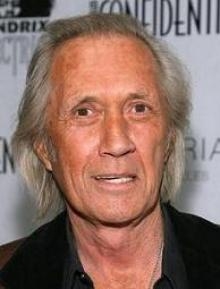
David Carradine | Woody Guthrie |
|
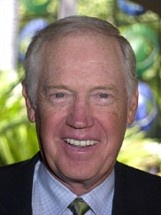
Ronny Cox | Ozark Bule |
|
Melinda Dillon | Mary - Woody's Wife |
|
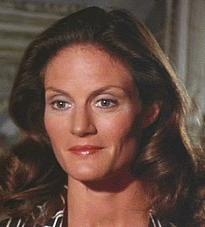
Gail Strickland | Pauline |
|
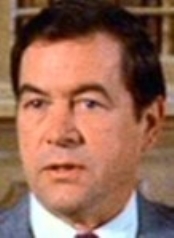
John Lehne | Locke - Radio Station Manager |
|
Ji-Tu Cumbuka | Slim Snedeger - Hobo on Train |
|
Randy Quaid | Luther Johnson - Migrant Worker |
|
Elizabeth Macey | Liz - Johnson's Wife |
|
Susan Vaill | Gwen - Guthrie Child |
|
Sarah Vaill | Gwen - Guthrie Child |
|
Alexandra Mock | Sue - Guthrie Child |
|
Kimberly Mock | Sue - Guthrie Child |
|
Miriam Byrd-Nethery | Sick Woman - Water-Swallowing Scene |
|
Jane Lambert | Other Woman - Water-Swallowing Scene |
|
Jan Burrell | Other Woman - Water-Swallowing Scene |
|
Lee McLaughlin | Heavy Chandler - 'Insane' Man |
|
Ted Gehring | Conners - Pampa Store Owner |
|
Robert Sorrells | Charlie Guthrie - Woody's Father |
|
Guthrie Thomas | George Guthrie - Woody's Brother |
|
Wendy Schaal | Mary Jo Guthrie - Woody's Sister |
|
Delos V. Smith Jr. | Old Man Jenkins - Gas Station Owner |
|
David Clennon | Carl - Man in Gas Station |
|
Larry Luttrell | Hank - Man in Gas Station |
|
Beeson Carroll | Collister - Gas Station Customer |
|
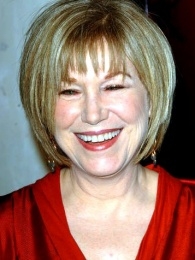
Mary Kay Place | Sue Ann - Girl in Bar |
| Director | Hal Ashby |
|
| Writer | Robert Getchell, Woody Guthrie | |
| Producer | Robert F. Blumofe, Harold Leventhal, Charles Mulvehill, Jeffrey M. Sneller | |
| Photography | Haskell Wexler | |
| Nr Discs | 1 |
|---|---|
| Screen Ratios | Anamorphic Widescreen (1.85:1) |
| Subtitles | Dutch | French (Closed Captioned) | Greek | Italian | Spanish (Closed Captioned) |
| Edition Release Date | Sep 15, 2003 |
| Regions | Region 2 |