

400
700
900
Lost worlds, vanished lives

Lost Worlds: Vanished Lives

Lost worlds, vanished lives

David Attenborough - Elsüllyedt világok, eltűnt életek nyomában

BBC (1989)
DVD Files
Nincs besorolva
5014503146627
TV Series | Documentary
UK | magyar | Színes | 2ó 36p
"Lost Worlds, Vanished Lives" is a four-part BBC documentary miniseries concerning the discovery of fossils. It is written and presented by David Attenborough, produced by Mike Salisbury, and was originally broadcast in April 1989. It was made in between the second and third installments of Attenborough's "Life" series: "The Living Planet" and "The Trials of Life", respectively. The study of rocks and their ancient secrets was something of a boyhood passion for David Attenborough. In these programmes, his enthusiasm for the subject is undiminished. With the help of expert palaeontologists, fossil hunters and (for the time) modern animation techniques, Attenborough attempts to show how life evolved in Earth's distant past. To do so, he travels the globe to visit the world's most famous fossil sites.


Epizódok View details

1 Magic in the Rocks 40 min | Apr 23, 1989

"Magic in the Rocks", looks at the types of rocks where fossils can be found, from limestone, mudstone and sandstone to coal and amber. We travel from the Dorset coast to a quarry in Leicestershire then across the world to the Dominican Republic and Arizona and back to Glasgow and Edinburgh. We visit mines, petrified forests and swamps and laboratories where fossils are being extracted from their stony matrix, X-rayed, cat scanned and manipulated in 3D computer cross-sections.

2 Putting Flesh on Bone 40 min | Apr 30, 1989

"Putting Flesh on Bone", explores what the animals looked like and how they behaved when they were alive. Some of the fossils are preserved in remarkable detail so that you can see the outlines of their flesh and the contents of their stomachs. Fur is clearly visible around a pterosaur fossil and the large breastbone suggests substantial flight muscles allowing powerful flight rather than just gliding. We visit the Smithsonian Institute where they have made a half-sized pterosaur model (large full-sized fossils can range from 35 to 50 feet wing-spans) to try to work out how the real giants of the air could fly.

3 Dinosaur 40 min | May 14, 1989

"Dinosaur", provides the most familiar information. Dinosaurs have been 'done to death' by, seemingly, dozens of speculative and factual documentaries since David made this. But even if this episode is full of facts that have become familiar to us, it's better presented than most and still interesting.

4 The Rare Glimpses 40 min | May 14, 1989

"The Rare Glimpses", examines areas of the fossil record where information is sparse. We visit The Burgess Shales in British Columbia, Canada where there's a rare deposit of soft-bodied animals, the sort that don't usually fossilize. The animals of The Burgess Shale are beautiful, unlikely and bizarre. The most common creatures preserved 500 million years ago, were trilobites. But what did the trilobites eat and what ate the trilobites? The creatures that trilobites preyed upon and those that preyed upon trilobites are found here, at The Burgess Shale. After the time of the dinosaurs, there's another period when small, delicate mammals only rarely fossilized and we see a rare glimpse of them at sites in Germany: one where the famous Archaeopteryx fossil was discovered and another where the mudstone is a mere 48 million years old and hasn't finished solidifying into rock.

Szereplők

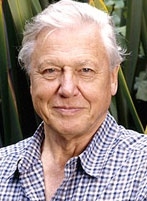
David Attenborough Himself - Presenter

Kiadás részletek

Lemezek száma 1
Képernyőarány Fullscreen (4:3)
Hangsávok Dolby Digital Stereo [English]
Feliratok Angol
Forgalmazó BBC Video
Kiadás megjelenése 2005
Régiók Region 2 | Region 4

Személyes

Hely HDD 18
Index 15184
Hozzáadva Nov. 11, 2016 21:46:10
Módosítva Feb. 18, 2023 12:25:21