
Moguls & Movie Stars
The movie moguls were tough men who ruled their studios with an iron fist — but there was a method to their madness. These men created cinematic magic during the golden age of Hollywood. The legacies of these films and their stars have continued over the decades long after the studio system disappeared.
Turner Classic Movies' ambitious seven-part documentary series, "Moguls & Movie Stars: A History of Hollywood," which begins Monday evening, explores the colorful lives and careers of the major moguls including Louis B. Mayer at MGM; Jack, Sam and Harry Warner of Warner Bros.; and Darryl F. Zanuck of 20th Century Fox. After each episode, TCM will be airing vintage films and shorts that elaborate on the installment.
The early careers of the Warner brothers, Mayer, Carl Laemmle of Universal and William Fox of Fox. It also covers the invention of Thomas Edison's motion picture camera and penny arcades.
California was quickly recognized as the ideal setting for the American film industry, with its relative freedom from patent problems, constant sunshine and varied geography. Hollywood set up shop.
Looks in on the years between 1920 and 1928. This period was Hollywood's most creative periods and we get a wide range of stars from comedians like Keaton and Chaplin to horror like Lon Chaney. Rudolf Valentino and Clara Bow are discussed.
"The Jazz Singer" killed off silent movies and took their toll on stars and studios who could not adapt to sound. Sex appeal, gangsters and quick wit made breakout stars who wielded great power.
The period from 1941 to 1950 is covered including the production of "The Grapes Of Wrath", "Citizen Kane", "The Great Dictator", "Casablanca," and some World War II movies and the efforts of celebrities to help out.
Moguls ran into trouble when TV came into play. For many there wasn't a need to go out to the movies when you could stay home and watch this box for free so the studios had to come up with something to get these folks back.
The '60s ushered liberal thought and a 'cool' factor into film. The mogul era was over and soon to be replaced by large corporations and independent filmmakers.
|
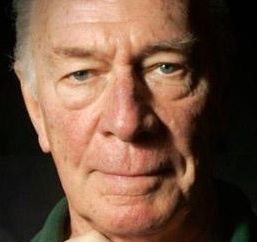
Christopher Plummer | Narrator |
|
Daniel Selznick | Self - Grandson of Louis B. Mayer |
|
Samuel Goldwyn Jr. | Self |
|
A. Scott Berg | Self |
|
Gregory Orr | Self - Grandson of Jack Warner |
|
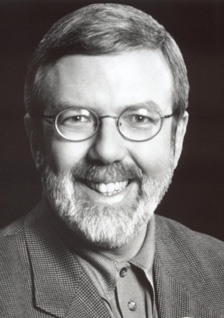
Leonard Maltin | Self |
|
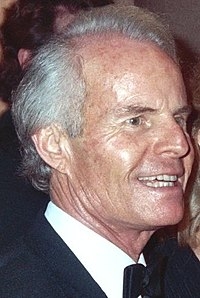
Richard D. Zanuck | Self - Producer |
|
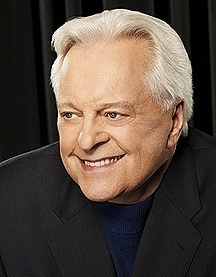
Robert Osborne | Self |
|
Tony Maietta | Self |
|
Jeffrey Vance | Self |
|
Cari Beauchamp | Self - Interviewee |
|
Donald Bogle | Self - Film Director |
|
Marc Norman | Self |
|
Steven J. Ross | Self - Film Historian |
|
Bob Balaban | Self - Actor / Director |
|
Peter Bogdanovich | Self - Director / Film Historian |
|
Carla Laemmle | Self - Niece of Carl Laemmle |
|
Jeanine Basinger | Self - Interviewee |
|
Molly Haskell | Self |
|
Scott Eyman | |
|
Thomas Schatz | Self - Film Historian |
|
David Stenn | Self |
|
Gore Vidal | Self |
|
David Thomson | Self - Film Historian |
|
Marc Wanamaker | Self - Film Historian and Photo Archivist |
| Writer | Jon Wilkman | |
| Producer | Tom Brown, Stephon J. Litwinczuk, Jon Wilkman, Darroch Greer, Bill Haber | |
| Photography | Neal Brown, Neil Smith | |
| Nr Discs | 1 |
|---|---|
| Layers | Single side, Single layer |