

 English
  Nederlands
  Deutsch
  Français
  Español
  Magyar
  српски
  Dansk
Dansk  Italiano
  Svenska
  Slovenčina
  Português





BBC (1981)


TV Series | Drama | War
UK | English | Color | 08:36
Tenko


Based on real-life experiences, Tenko remains one of the most fondly remembered and acclaimed BBC dramas of the early 1980s. It follows a group of women, formerly comfortably well-off ex-pats living in Singapore, as they are captured by the Japanese during World War II. The first season, set in 1941-42, charts the drama from the women being captured and sent to live in squalor and depravation in a Japanese POW camp. Season 2, set in 1942-43, began with the women on a long march to a new camp, where things seem much more luxurious at first, but they find they have troubles settling into the strange regime of their new home. The final season took up two years after the previous one, as the war drew to a close and the women were returned to their normal lives. Well, as normal as they could be after their imprisonment
Singapore, December 1941: Due to lack of information from the Army and media, most of the inhabitants of Singapore remain blissfully unaware of any danger in their lives. Then the Japanese land 400 miles north of the city and head south.
Despite Bernard's warnings, few Europeans believe that Singapore will fall to the Japanese and New Year is celebrated as usual.
Joined by others, including Beatrice, the women are taken to their internment camp, where a contingent of Dutch internees join them, including Sister Ulrica.
Ulrica is made leader of the Dutch internees. The older women worry when the younger women are unexpectedly removed from the camp, but it turns out they're being used for labor crews.
Some time having passed, social structure in the camp is breaking down, and more women are becoming sick. Some groups refuse to help other groups. Malaria makes its first appearance, and requests for quinine are denied.
Marion is questioned about British organization in Singapore prior to the fall of the city. The new sickbay is completed. Blanche and Dorothy become friendly with the guards in exchange for cigarettes and tea.
Sally, pregnant before her capture, is coming into her seventh month of pregnancy, and one of the nurses, Nellie, becomes very supportive of her.
Just before Judith Bowen dies, Marion promises her that she'll take care of Debbie. Blanche becomes determined to escape from the camp.
Punishment details are imposed on the camp in general and the escapees in particular. The commandant yields to Marion's plea for mercy for Debbie, and agrees to be release Blanche.
Christmas is approaching. The work party reports seeing a group of men in the distance. When Marion asks the commandant for names of the men, the list causes both joy and disappointment.

|
Emily Bolton | Christina Campbell |
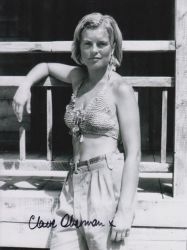
|
Claire Oberman | Kate Norris |
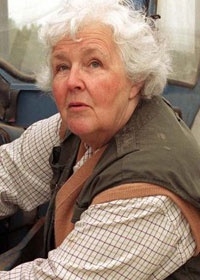
|
Stephanie Cole | Dr. Beatrice Mason |
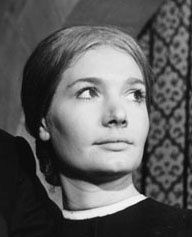
|
Ann Bell | Marion Jefferson |

|
Stephanie Beacham | Rose Millar |

|
Patricia Lawrence | Sister Ulrica |
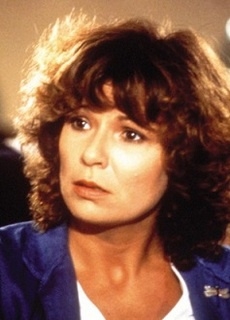
|
Jeananne Crowley | Nellie Keene |
|
|
Annet Peters | Female Prisoner of War |
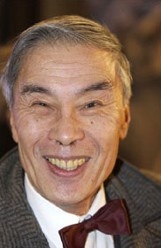
|
Burt Kwouk | Capt. Yamauchi |
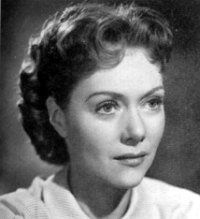
|
Renée Asherson | Sylvia Ashburton |
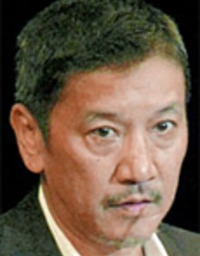
|
Eiji Kusuhara | Lt. Sato |
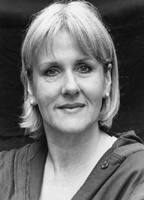
|
Joanna Hole | Sally Markham |

|
Louise Jameson | Blanche Simmons |

|
Veronica Roberts | Dorothy Bennett |
|
|
Karin Foley | Debbie Bowen |
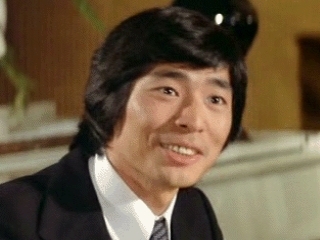
|
Takashi Kawahara | Shinya |
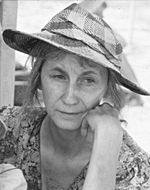
|
Ann Queensberry | Judith Bowen |
|
|
Elizabeth Chambers | Mrs. Van Meyer |
|
|
Maya Woolfe | Gerda |
|
|
Takahiro Oba | Shigawo |
|
|
Sabu Kimura | Tanaka |

|
Ric Young | Father Lim |
|
|
Lindsay Ingram | Cynthia James |
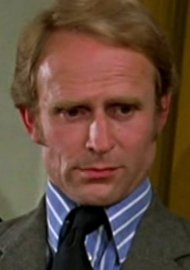
|
Jonathan Newth | Clifford Jefferson |
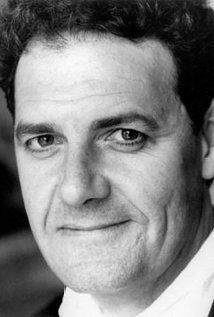
|
Daniel Hill | Tom Redburn |
| Director | Pennant Roberts |

|
| David Askey |

|
|
| Writer | Lavinia Warner, Anne Valery, Jill Hyem, Paul Wheeler | |
| Producer | Ken Riddington | |
| Musician | James Harpham | |
| Nr Discs | 1 |
|---|---|
| Layers | Single side, Single layer |
| Regions | Region 4 |