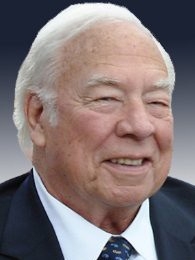
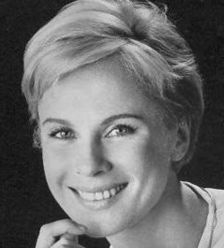
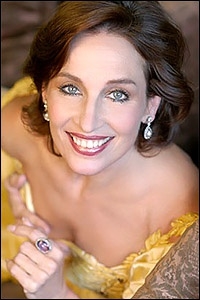
The fourth Airport film may be the silliest of them all, as George Kennedy returns, this time co-piloting with Alain Delon. The plane is on its way to the Moscow Olympics, has a bomb on board, and gets fired upon with missiles that necessitate flying upside-down. A look at the cast list resembles a bad episode of Fantasy Island, but it's always fun to see shameless touches like casting Mercedes McCambridge (Johnny Guitar) as the coach of the Soviet team. If you don't understand the significance of that choice, you may find this film more tedious than laughable, but fans of bad movies will have a field day, as Jimmie Walker, Charo, and — oddly enough — Bibi Andersson rub shoulders with high-altitude disaster. — Robert Firsching
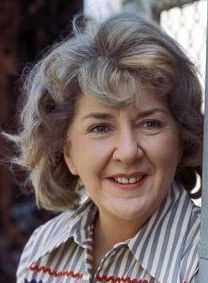
This movie represented the point in the "Airport" films from Universal at which they directly anticipated Jim Abrahams' Airplane! (1980) in look, execution, and content, and almost mapped out Abrahams' and the Zucker brothers' formula for the successful parodies. Indeed, the shots of the Concorde flying upside down and doing loops and rolls, with appropriate interior scenes depicting the havoc among the passengers, are almost indistinguishable from similar scenes in the Abrahams film and its sequel. Gone is any attempt at recalling the Hollywood glamor or glitziness of the original Airport; the whole movie — except for one assassination scene early in the picture — was instead marked by a made-for-television blandness and populated by B- and C- list non-celebrities, late-'70s pop-culture faces (Charo, Jimmie Walker, etc.), spiced with some old-time Hollywood faces (including Martha Raye in a very tiresome gag appearance), two good actors (Eddie Albert, Bibi Andersson) actually trying to earn their paychecks amid this silliness, and the rest, including George Kennedy, walking through their roles. One could even question whether this movie belongs in the continuity with the other films in the series, since the Joe Patroni character portrayed here by Kennedy seems to have a completely different professional background from the character of that name that he played in Airport.
One also wonders on what basis director David Lowell Rich was selected to direct this film — could it have been the memory of his debut feature, the Three Stooges' Have Rocket, Will Travel (1959)? The scenes of the actors experiencing the havoc of upside-down flight and other aspects of aerial acrobatics (any of which would have ripped the real Concorde in two) are similar, and it takes a certain knack to get serious actors (as he did with Jerome Cowan et al. in the earlier movie) to engage in nonsense like this without cracking up. As a guide to American popular culture and social attitudes of the period, however, Airport '79: Concorde may also have taken on some unintended value in the decades since its release. The original Airport and its immediate sequel, made nine and five years earlier, respectively, showed an old-time moralizing and moralistic outlook in behavior and taste, both within the context of the action and the broader range of the movies' own orientations; Airport '79: Concorde is so free with its images of people having casual sex and talking about sex (all of this in the pre-AIDS era, almost a last gasp of the sexual revolution), and also casual drug use and other decadent activities, that it seems to emanate from a completely different society, or at least reflect an audience that had changed vastly in what it considered "entertainment" in those nine years. And the choice of Mercedes McCambridge as the coach of the Soviet women's gymnastics team is so knowing a piece of casting that it leads one to suspect that the makers of this movie knew, down to the last frame, exactly how much fun they were having with this last gasp in the series concept. — Bruce Eder


 English
  Nederlands
  Deutsch
  Français
  Español
  Magyar
  српски
  Dansk
Dansk  Italiano
  Svenska
  Slovenčina
  Português