

 English
  Nederlands
  Deutsch
  Français
  Español
  Magyar
  српски
  Dansk
Dansk  Italiano
  Svenska
  Slovenčina
  Português





1936


Drama | Foreign
USA | English | Black & White | 01:36
| 1. | Le jour se lève | 1939 |
| 2. | Mayerling | 1936 |
| 3. | Last Holiday | 1950 |
| 4. | Gervaise | 1956 |
| 5. | Kapo | 1959 |
| 6. | Beauty and the Beast (duplicate) | 1946 |


Based on Idol's End, a novel by Claude Anet, the French Mayerling is based on the tragic real-life story of Hapsburg Crown Prince Rudolph and his mistress, Baroness Marie Vetsera. Since the details of Rudolph and Marie's lives and deaths are clouded in controversy, much of the film is romanticized speculation-with emphasis on the romance. The film establishes Rudolph Charles Boyer as a rebellious "man of the people," at eternal odds with his despotic father, Emperor Franz Joseph Jean Dax. To keep him quiet and out of trouble, Rudolph is forced into an arranged marriage, and surrounded by Hapsburg informers and spies. In an effort to escape this oppressive atmosphere, a disguised Rudolph dashes off to a fair, where he meets the beauteous 17-year-old Marie Danielle Darieux. Thus begins an illicit romance, which the lovers try vainly to keep secret from the prying eyes of the Emperor's flunkeys. One of Rudolph's enemies arranges for Marie to be taken away to Trieste for a "rest cure." Rudolph sinks into a drunken depression, snapping out of it only when Marie returns. They attempt to legitimize their love through marriage, but the Catholic hierarchy will not approve of Rudolph's divorcing his wife. Desperately, the lovers flee to Rudolph's hunting lodge in Mayerling. Here they spend an exquisite last night together, then formulate a death pact. The following day, Marie and Rudolph are found lying side by side-united in death. Transforming this grim story into a tender, moving romance was quite an undertaking, but the end result was worth it: Mayerling was a huge international hit, and the winner of several industry awards, including the New York film critics' "best foreign picture" prize. Mayerling was remade in surprisingly cold and distant fashion in 1968, with Omar Sharif and Catherine Deneuve.

|
Charles Boyer | L'archiduc Rodolphe |

|
Danielle Darrieux | Marie Vetsera |

|
Marthe Régnier | La baronne Vetsera |

|
Yolande Laffon | L'archiduchesse Stéphanie |

|
Suzy Prim | La comtesse Larisch |
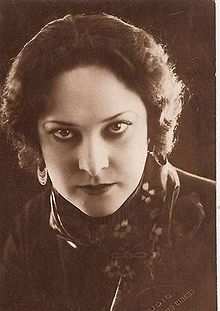
|
Gina Manès | Marinka |
|
Odette Talazac | La nourrice de Marie |
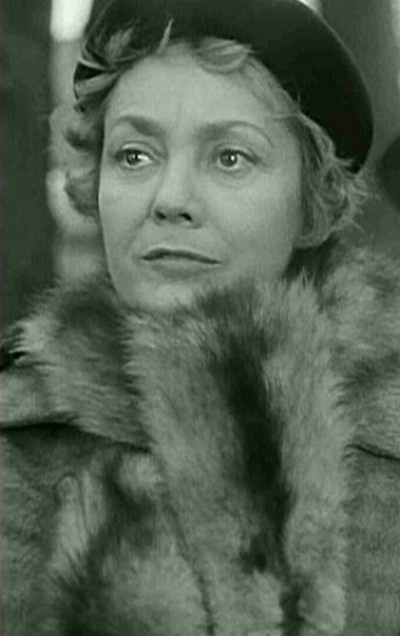
|
Nane Germon | Anna Vetsera |
|
|
Nine Assia | La cousine de Marie |
|
|
Christiane Ribes | Une fille |
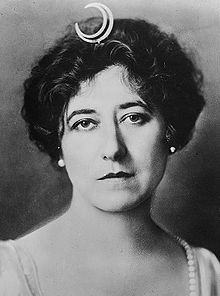
|
Gabrielle Dorziat | L'impératrice Élisabeth |
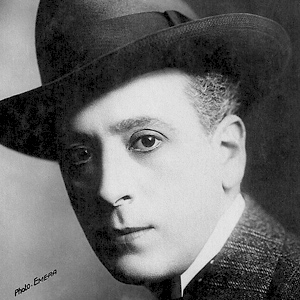
|
Jean Dax | L'empereur François-Joseph |
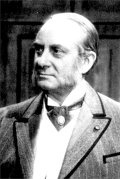
|
Jean Debucourt | Le comte Taafe |
|
|
André Dubosc | Loscheck / le valet de Rodophe |
|
René Bergeron | Szeps |
|
Vladimir Sokoloff | Le chef de la police |
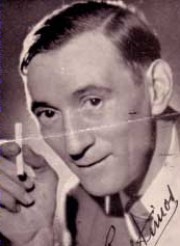
|
Raymond Aimos | Le premier policier |
|
|
André Siméon | Le second policier |
|
|
André Fouché | Georges Vetsera |

|
Jean Davy | Le comte Hoyos |
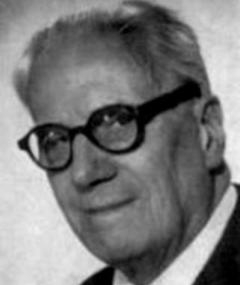
|
Jacques Berlioz | L'aide de camp |
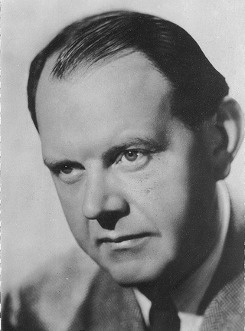
|
Fernand Ledoux | Philippe de Cobourg |
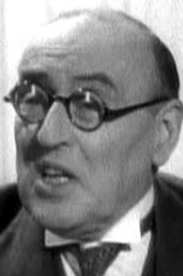
|
Léon Arvel | Petit rôle |
|
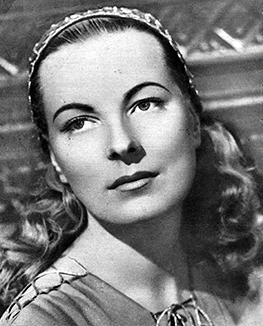
Junie Astor | Une demi-mondaine |
|
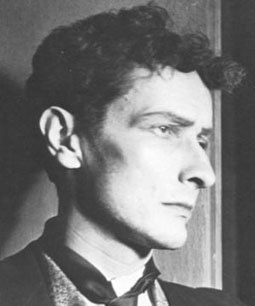
Jean-Louis Barrault | Un étudiant |
| Director | Anatole Litvak |

|
| Writer | Claude Anet, Irma von Cube, Joseph Kessel, Marcel Achard | |
| Producer | Seymour Nebenzal | |
| Musician | Arthur Honegger | |
| Photography | Jean Isnard, Armand Thirard | |
| Edition | Criterion Essential Art House |
|---|---|
| Packaging | Keep Case |
| Nr Discs | 1 |
| Screen Ratios | Fullscreen (4:3, Letterboxed) |
| Audio Tracks | SUB [English] |
| Edition Release Date | Sep 15, 2009 |
| Regions | 1 |