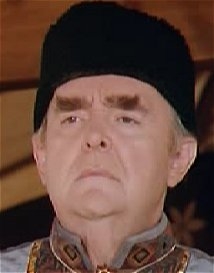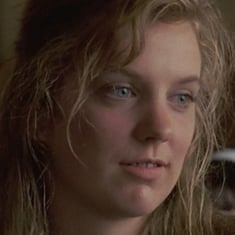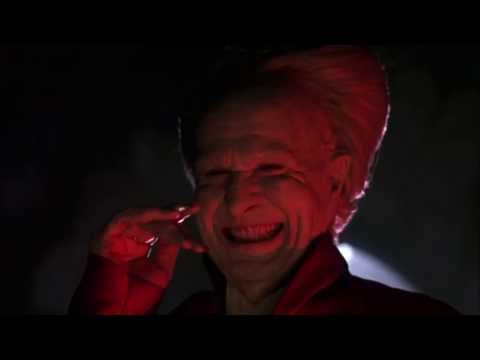


When Dracula leaves the captive Jonathan Harker and Transylvania for London in search of Mina Harker -- the spitting image of Dracula's long-dead wife, Elisabeta -- obsessed vampire hunter Dr. Van Helsing sets out to end the madness.
|
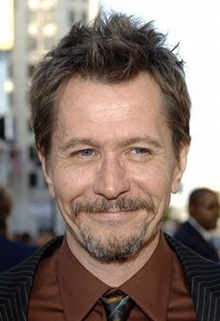
Gary Oldman | Dracula |
|
Winona Ryder | Mina Murray |
|
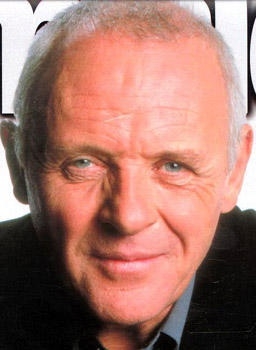
Anthony Hopkins | Professor Abraham Van Helsing |
|
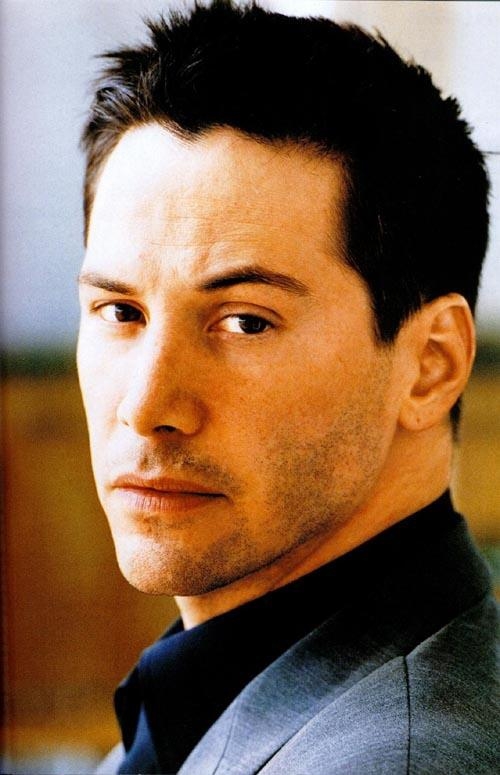
Keanu Reeves | Jonathan Harker |
|
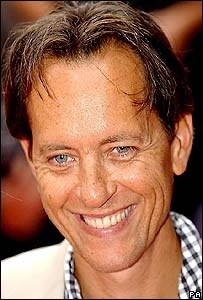
Richard E. Grant | Dr. Jack Seward |
|
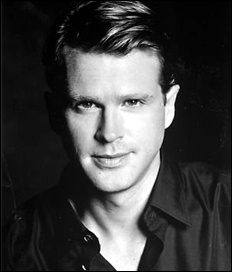
Cary Elwes | Lord Arthur Holmwood |
|
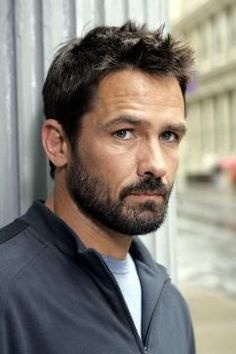
Billy Campbell | Quincey P. Morris |
|
Sadie Frost | Lucy Westenra |
|
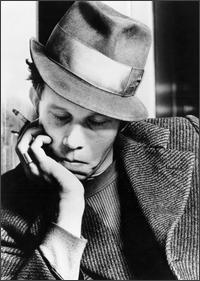
Tom Waits | R.M. Renfield |
|
Monica Bellucci | Dracula's Bride |
|
Michaela Bercu | Dracula's Bride |
|
Florina Kendrick | Dracula's Bride |
|
Jay Robinson | Mr. Hawkins |
|
I.M. Hobson | Hobbs |
|
Laurie Franks | Lucy's Maid |
|
Maud Winchester | Downstairs Maid |
|
Octavian Cadia | Deacon |
|
Robert Getz | Priest |
|
Dagmar Stanec | Sister Agatha |
|
Eniko Öss | Sister Sylva |
|
Nancy Linehan Charles | Older Woman |
|
Tatiana von Furstenberg | Younger Woman |
|
Jules Sylvester | Zookeeper |
|
Hubert Wells | Zookeeper |
|
Daniel Newman | News Hawker |
| Director | Francis Ford Coppola |
|
| Writer | Bram Stoker, James V. Hart | |
| Producer | Michael Apted, Francis Ford Coppola, Susan Landau Finch, Fred Fuchs, James V. Hart, Charles Mulvehill, Robert O'Connor, John Veitch | |
| Musician | Wojciech Kilar | |
| Photography | Michael Ballhaus | |
| Edition | Criterion Collection |
|---|---|
| Nr Discs | 2 |
| Watched | |
|---|---|
| Index | 449 |
| Added Date | Mar 10, 2012 13:58:30 |
| Modified Date | Jun 12, 2022 00:32:16 |
Out Of Print
Story Synopsis:
Coppola’s stunning masterpiece is an audacious and passionately seductive version of the classic legend. Oldman’s extraordinary portrayal of a mysteriously sexual Dracula as he grows young to old, from man to beast, is an amazing metamorphosis. Ryder stars as Mina Murray, fiancée of Jonathan Harker (Reeves) and object of Dracula’s devastating desire as he believes she is his beloved wife reincarnated. His sole being as a vampire is set on their reunification as he sets out to reclaim her. Hopkins stars as the famed Dr. Van Helsing who dares to confront him.
LaserDisc Picture:
Initially, Criterion tried to secure the same Interpositive (IP) element that Columbia used for their transfer. This was not possible for various reasons and Criterion ended up securing a different high resolution, low contrast IP from the Columbia vault. Roman Coppola supervised the Criterion transfer. Criterion’s Maria Palazzola was the film-to-tape transfer supervisor working with Coppola and telecine colorist David Bernstein at Pacific Ocean Post in Santa Monica. Columbia employed Michael Ballhaus, the director of photography, to supervise the transfer with telecine colorist Tom Scarpelli at Modern Videofilm in Burbank at the controls. Both transfers were performed using state-of-the-art Rank Ursa telecine machines.
LaserDisc Soundtrack:
There should be warning labels affixed to the LaserDisc jackets to caution viewers to watch for the levels at which they will be playing the soundtrack. The full dynamic impact of the theatrical release can be felt when these soundtracks are played at the reference level 85 dB SPL.
Director Coppola intended Dracula to be a very dark film. But in video, directors and cinematographers, and colorists tend to shy away from making a film look dark because it is not always viewed in a dark room. This can be said to be one of the distinguishing differences in the transfers. The Criterion is a darker transfer overall and requires that it be view in a darkened room to optimize the color balance, contrast, and resolution. In a darkened room the picture is fabulously mesmerizing visually. The colors are vibrant and deep, and the detail is outstanding. Criterion spent about 46 hours on the color correction to get the look that Coppola wanted. The Columbia transfer is a bit lighter but equally vibrant, sharp and free from video artifacts. It is a little less demanding on ambient light conditions. Nevertheless, the enthusiasts would be better off watching these editions or for that matter all titles in a darkened room. This will maximize contrast and perceived resolution. A significant difference is in the framing of the transfers. Criterion maintains that their transfer is true to the actual 1.85:1 theatrical aspect ratio allowing for adjustments for splice marks and original photography variances in the matted viewfinder. Columbia’s 1.85:1 aspect appears to have been zoomed out (perhaps ten percent). Thus there is slightly more image area to be seen.